Het project:
Alle foto's uit deze serie zijn gemaakt tussen september 2008 en januari 2010.
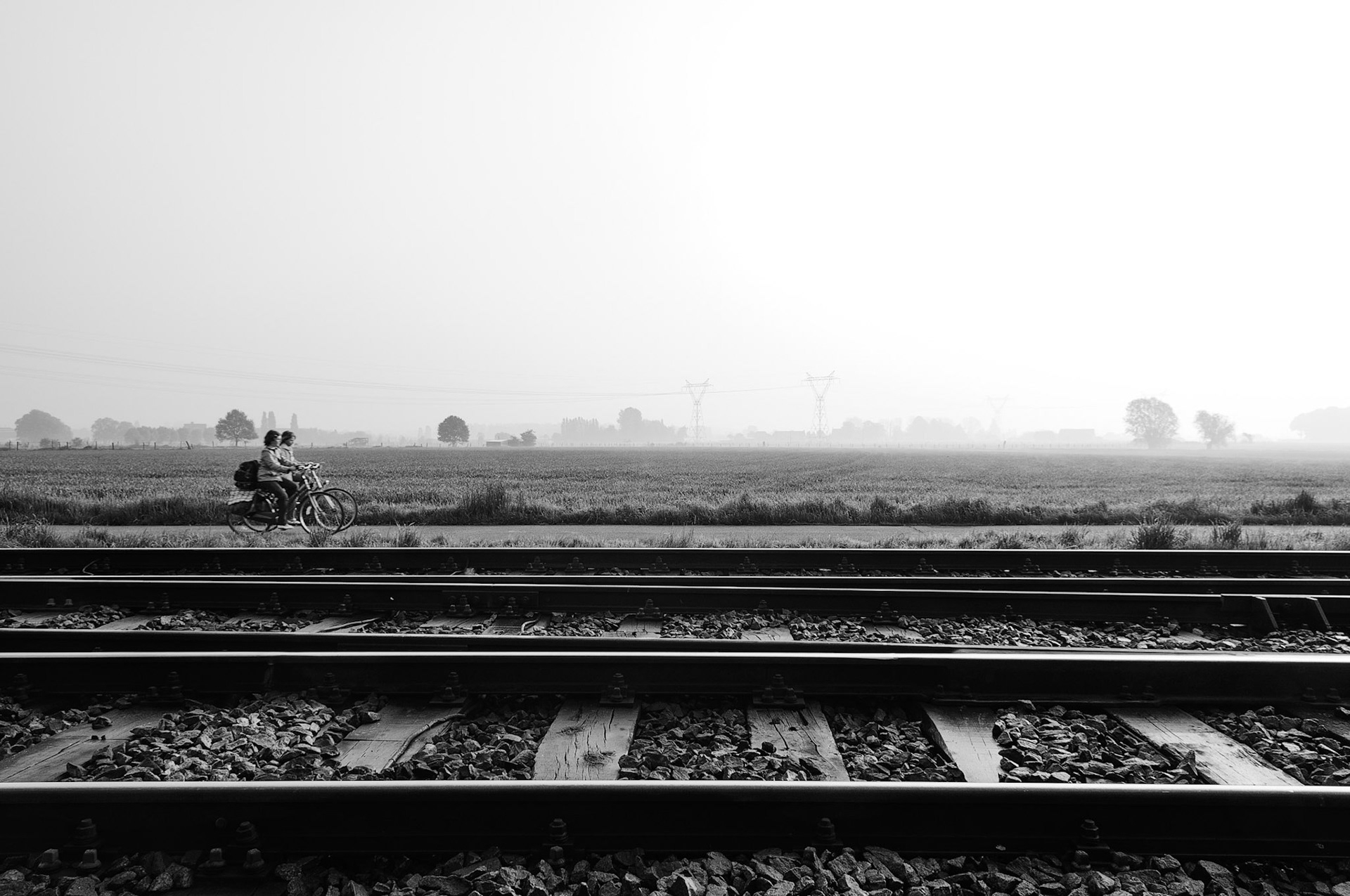
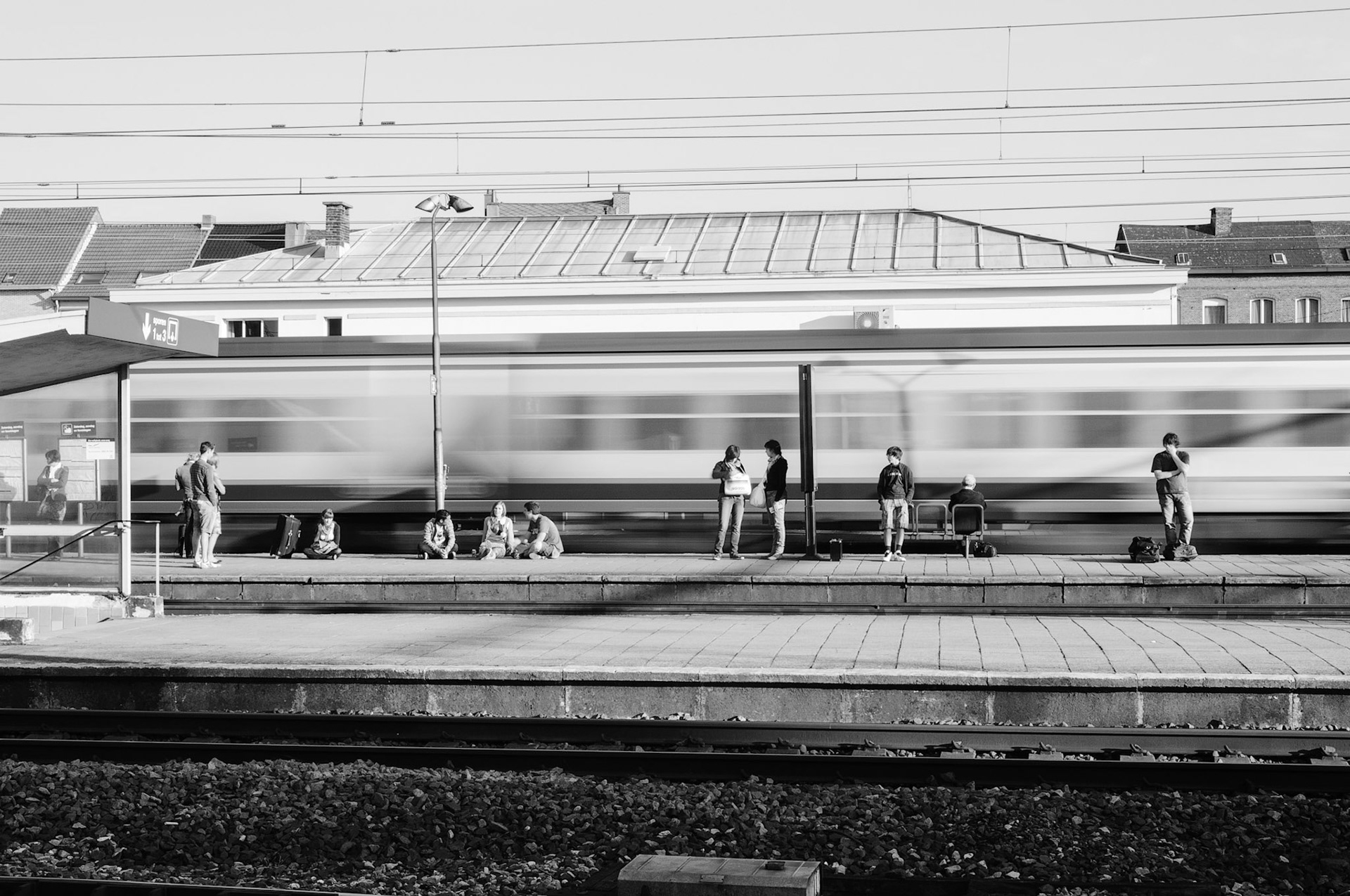
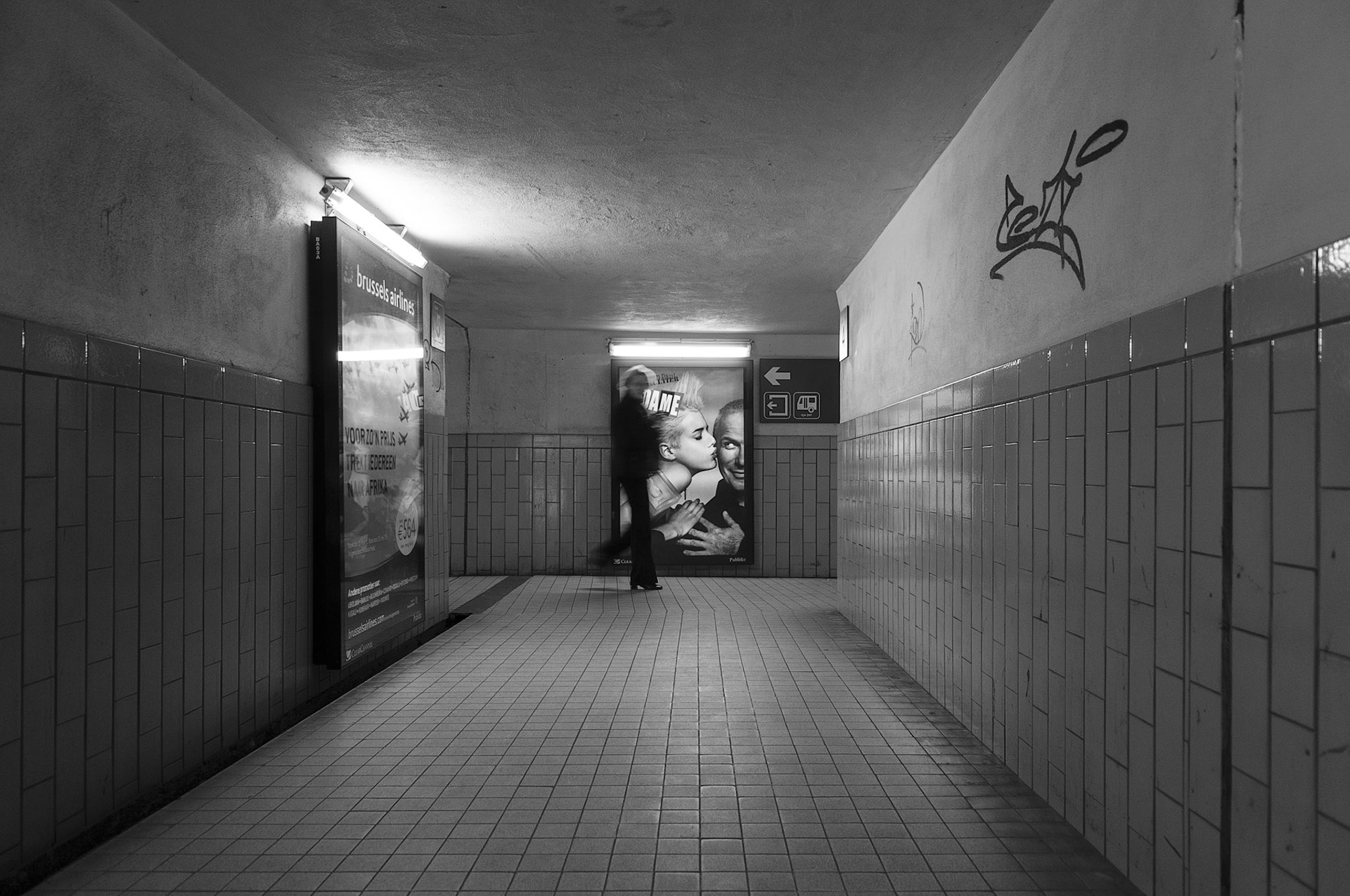
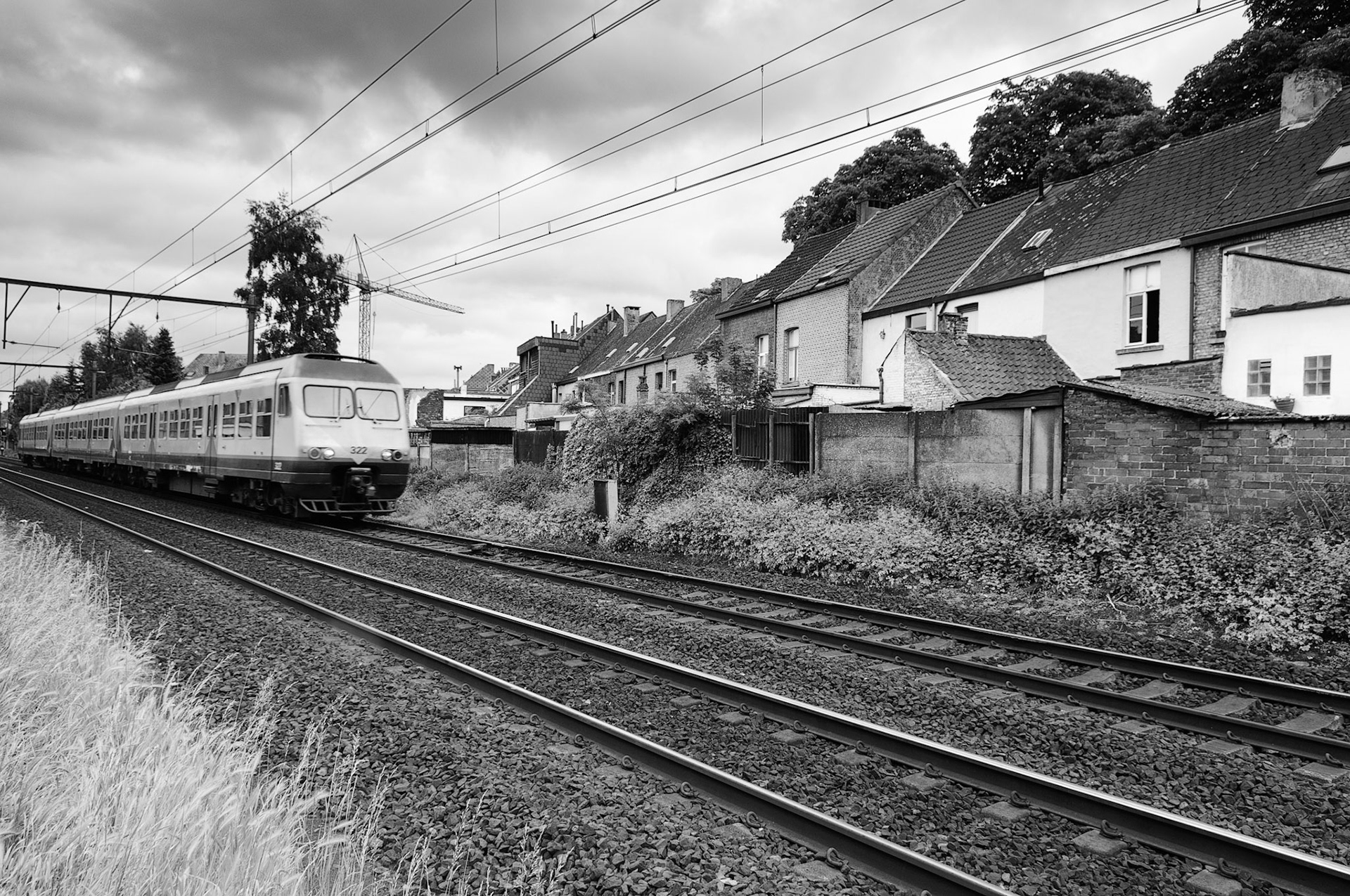
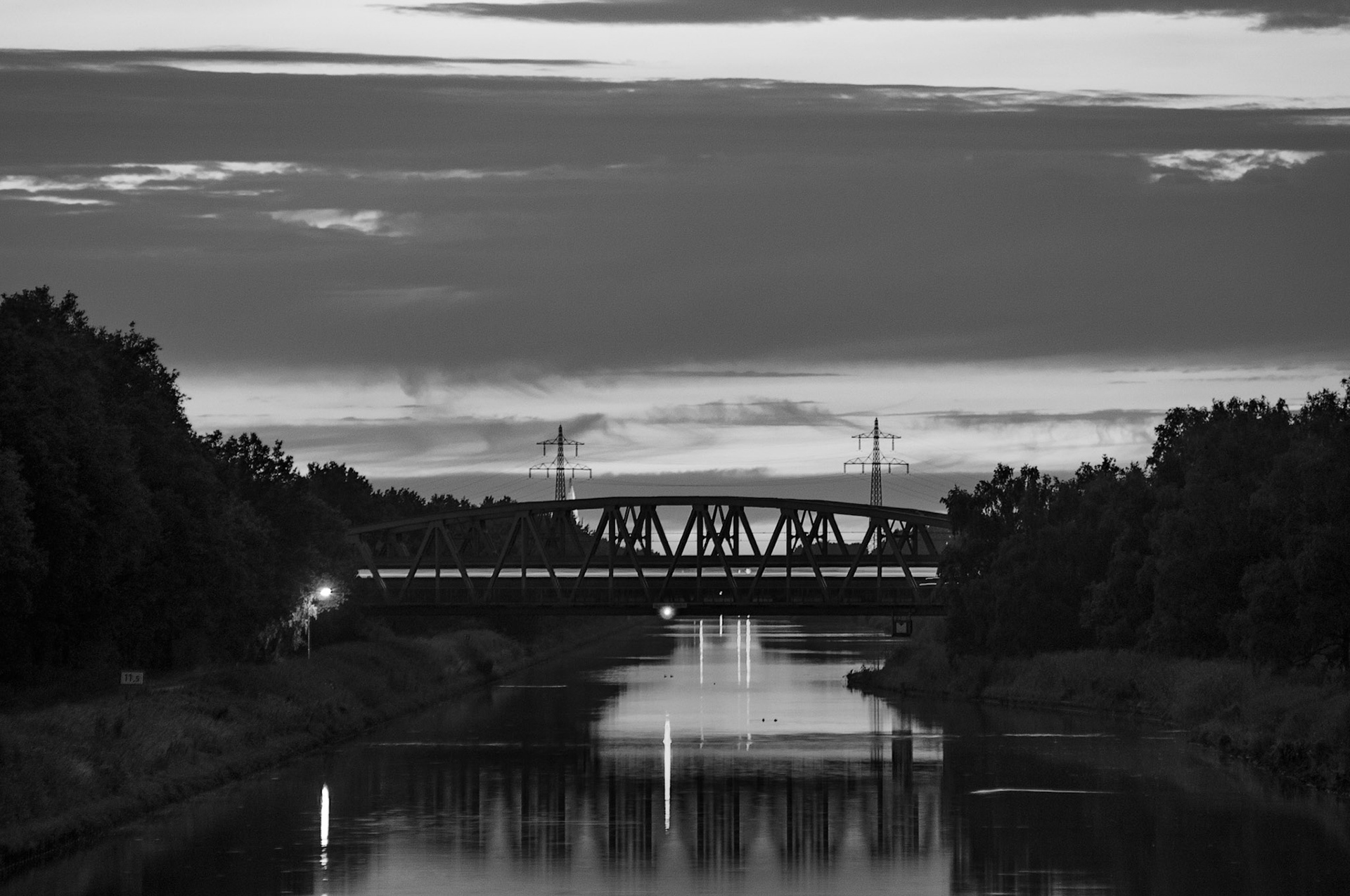
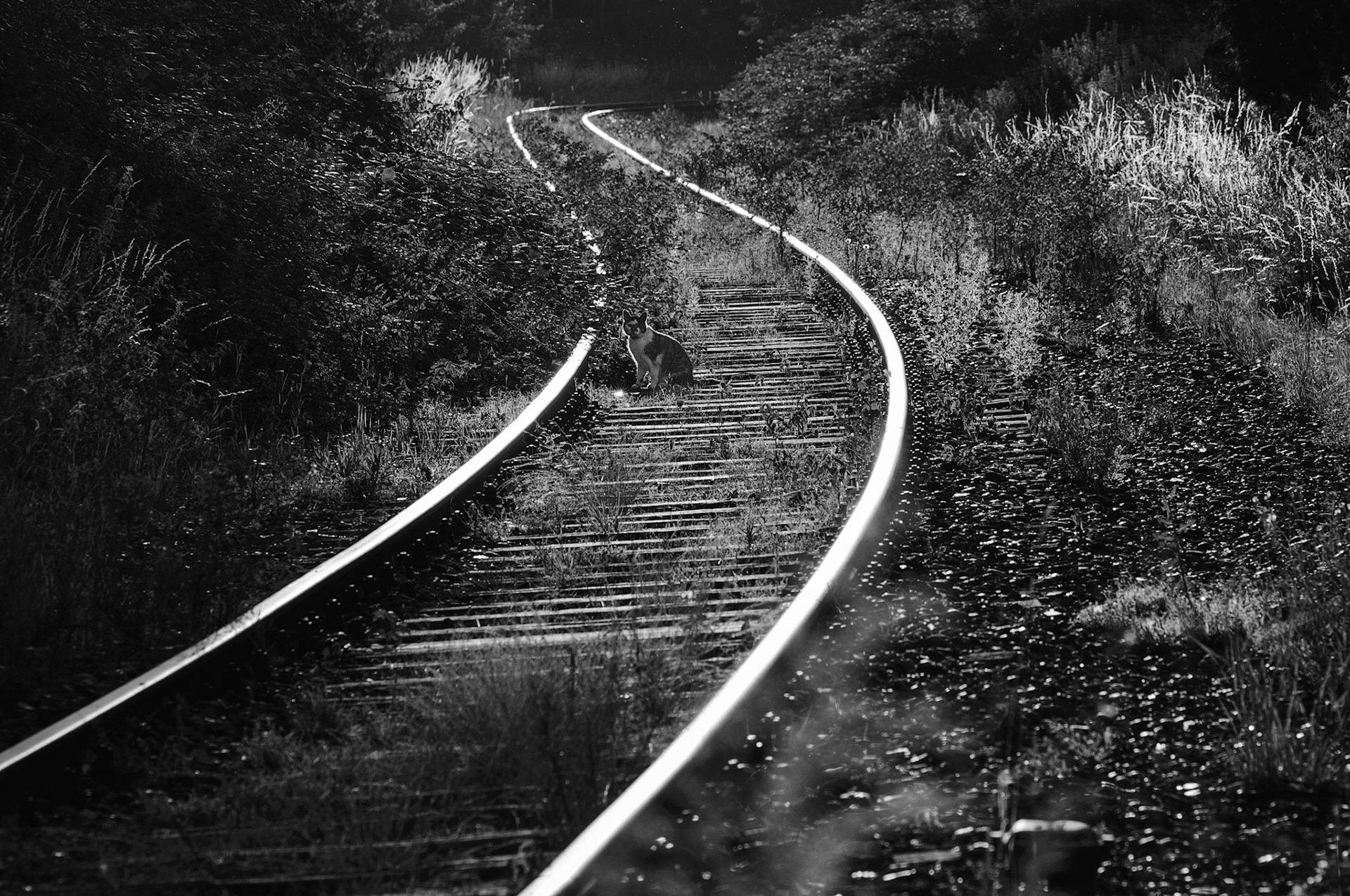
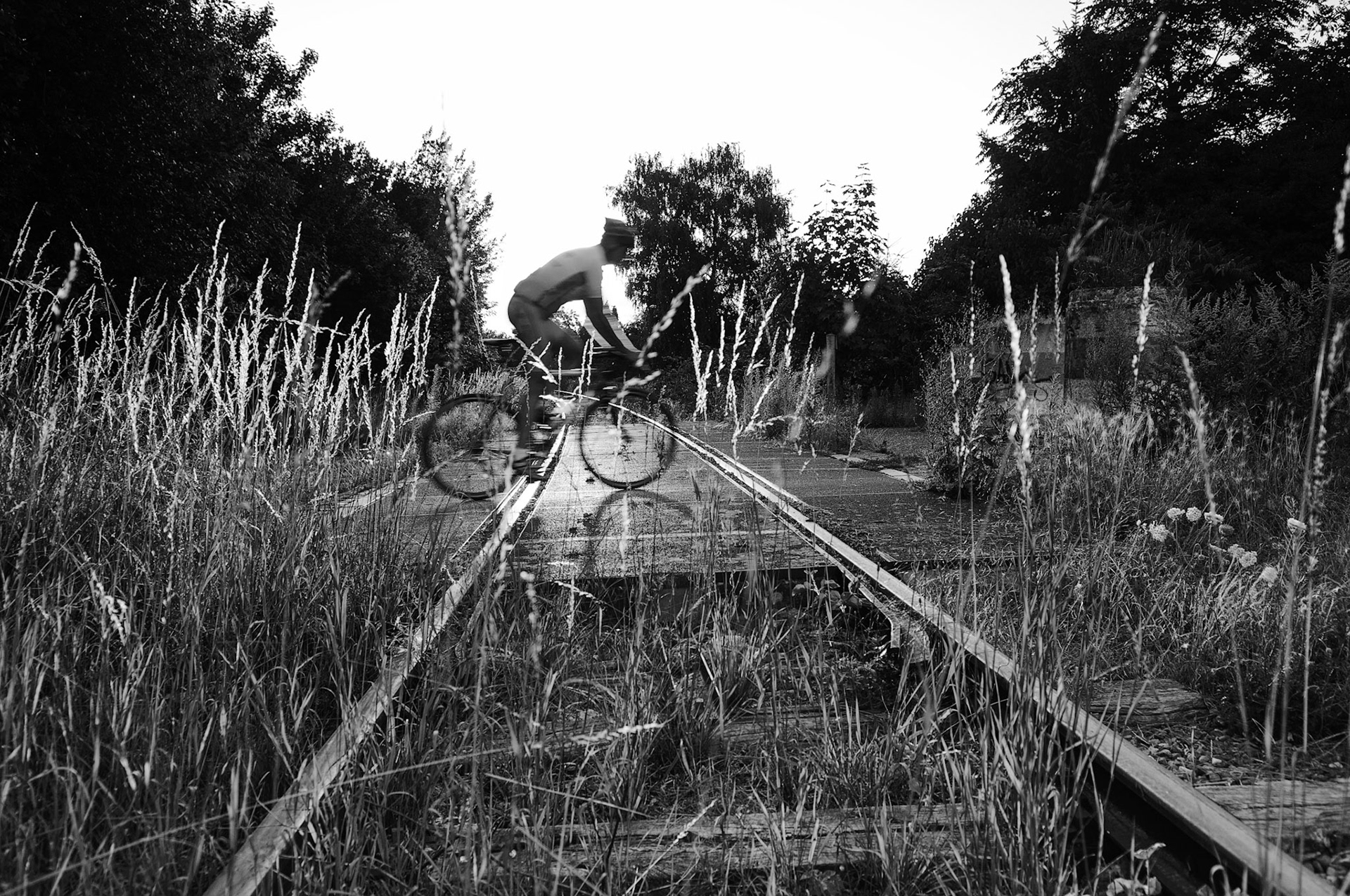
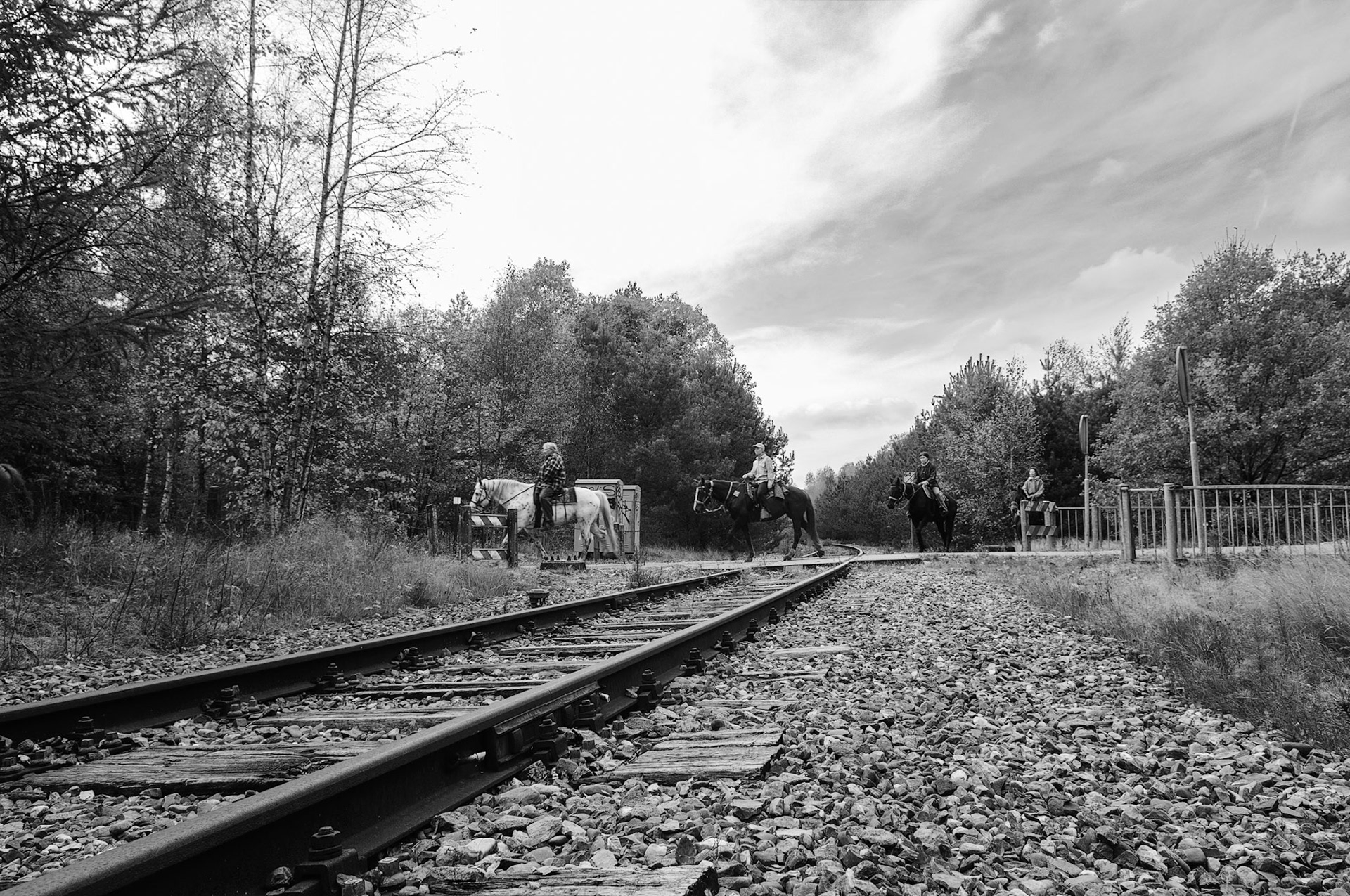
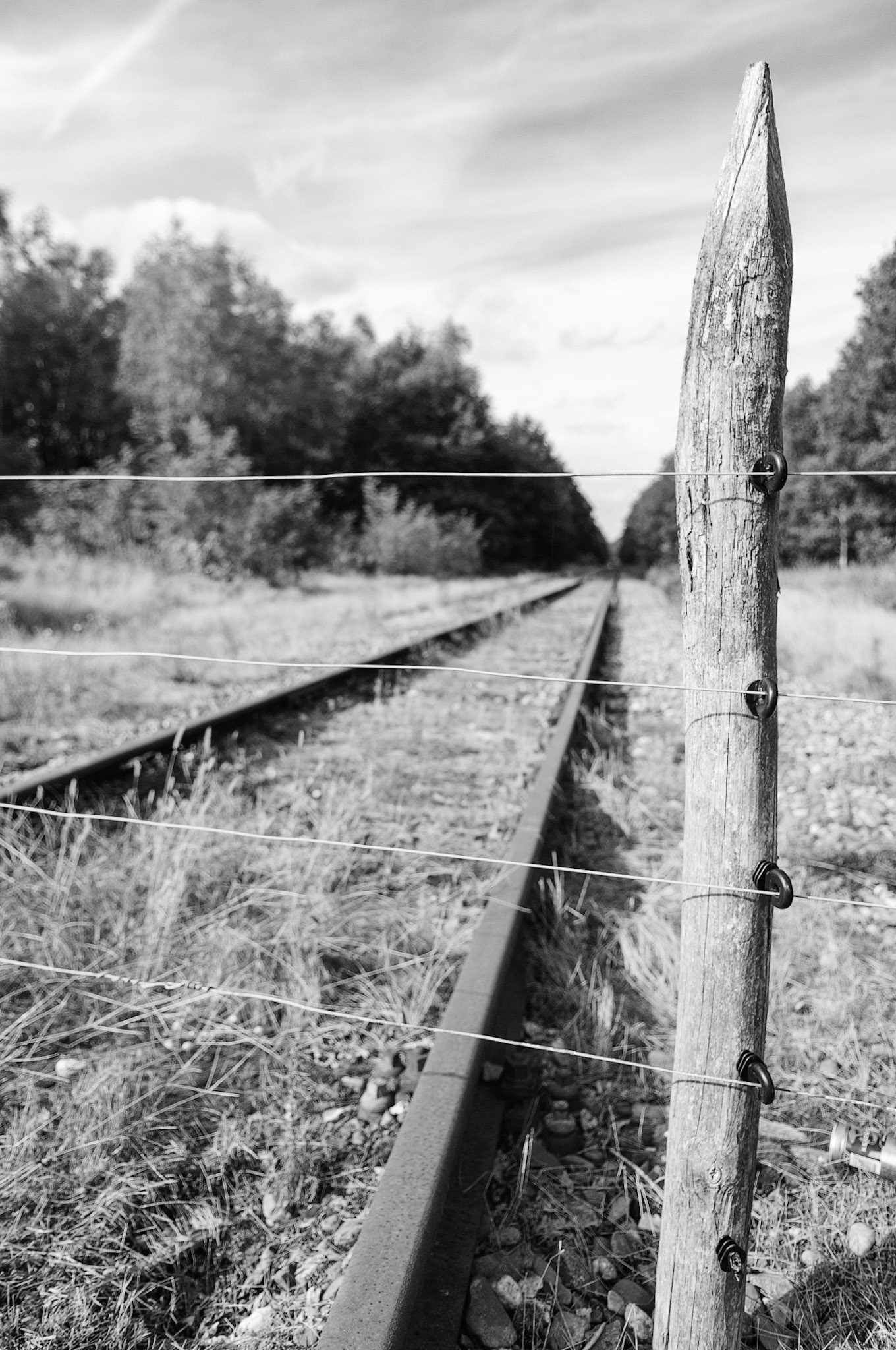
Het idee om de IJzeren Rijn te documenteren kwam mede door de media-aandacht n.a.v. de Belgische eisen, dat het spoor in 2018 weer volledig operationeel zou moeten zijn. Dit gegeven wekte bij mij de interesse om eens na te gaan hoe de IJzeren Rijn er nou eigenlijk bij ligt en hoe dit zich verhoudt t.o.v. de menselijke leefomgeving.
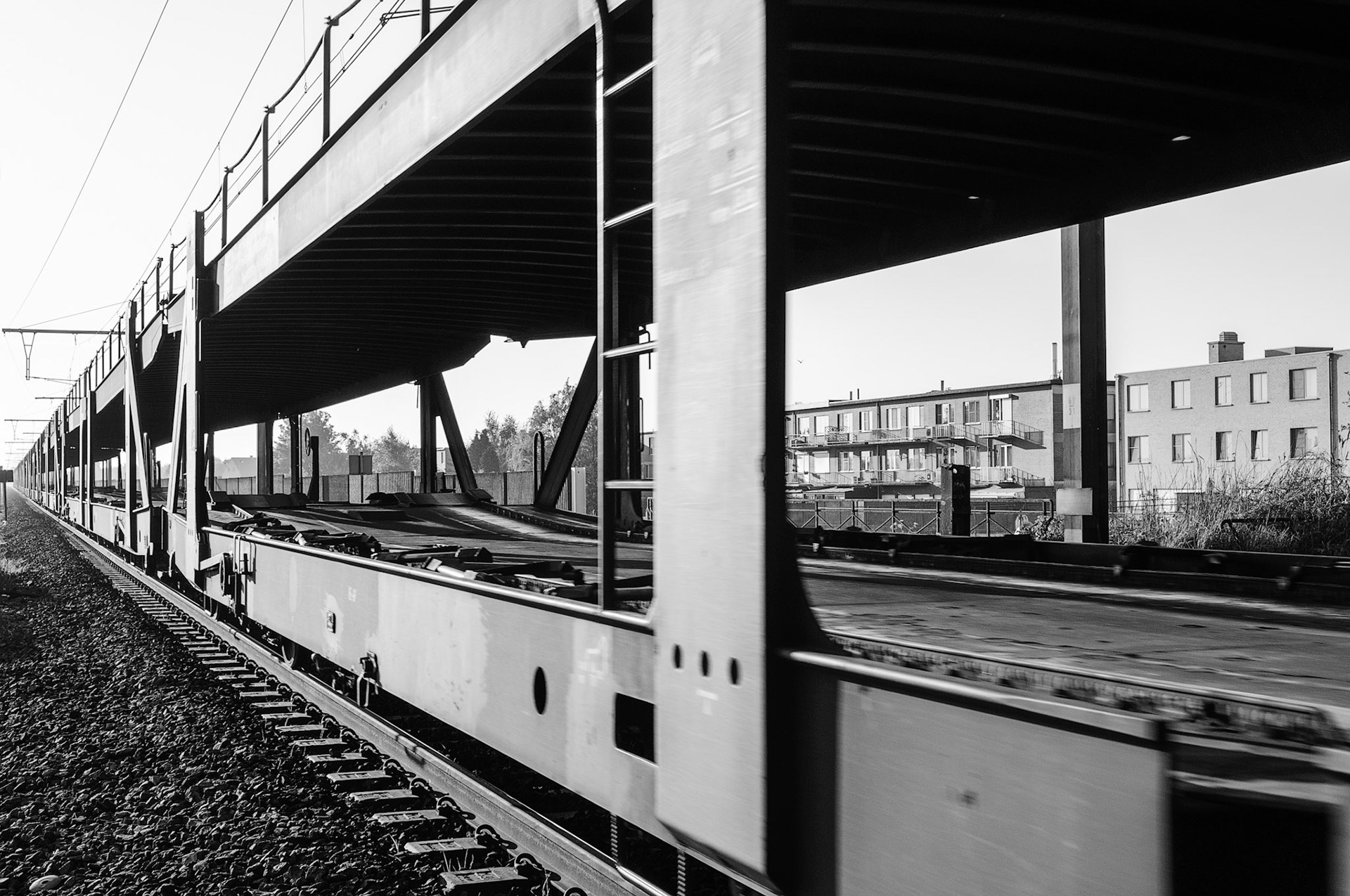
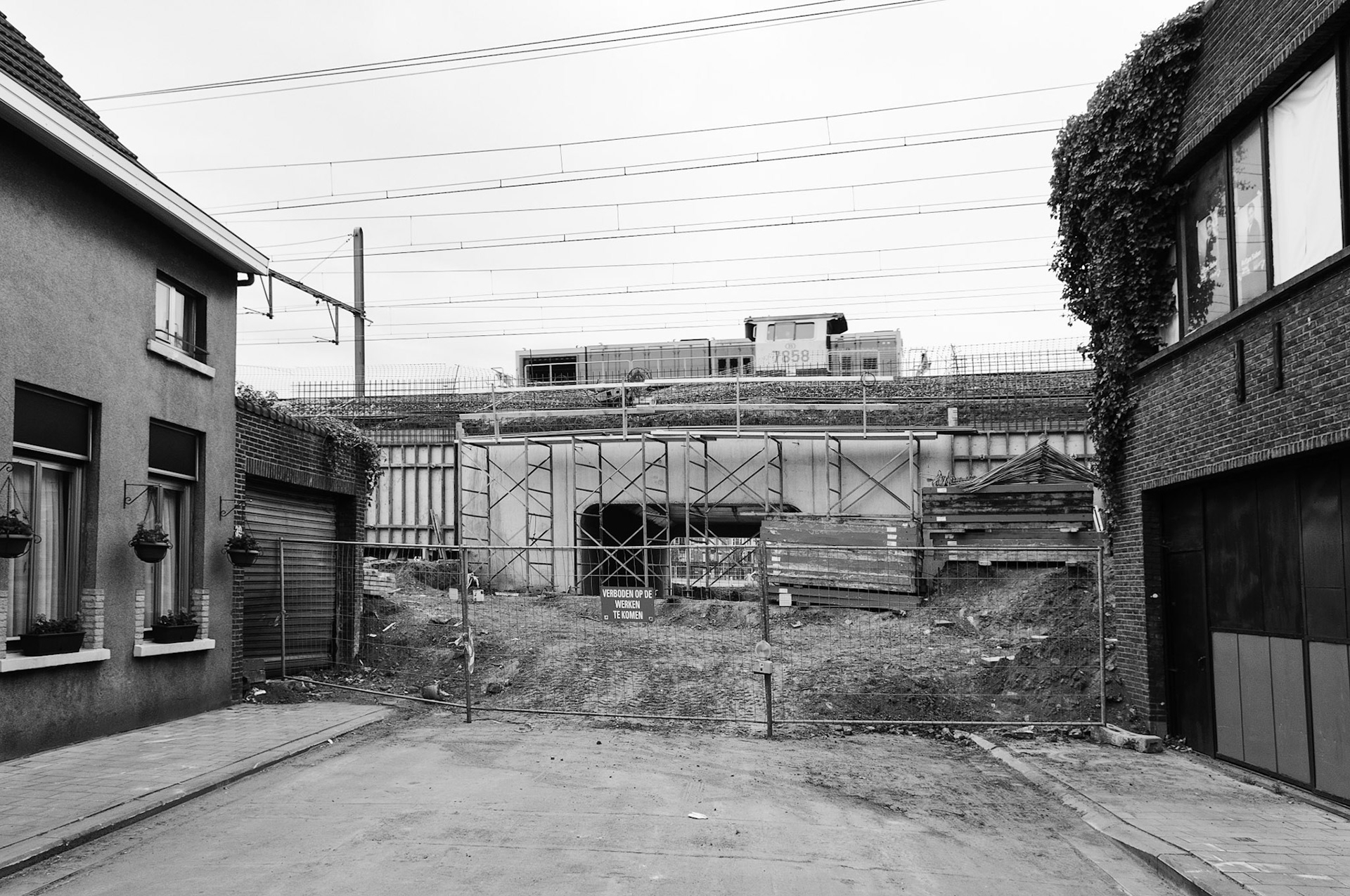
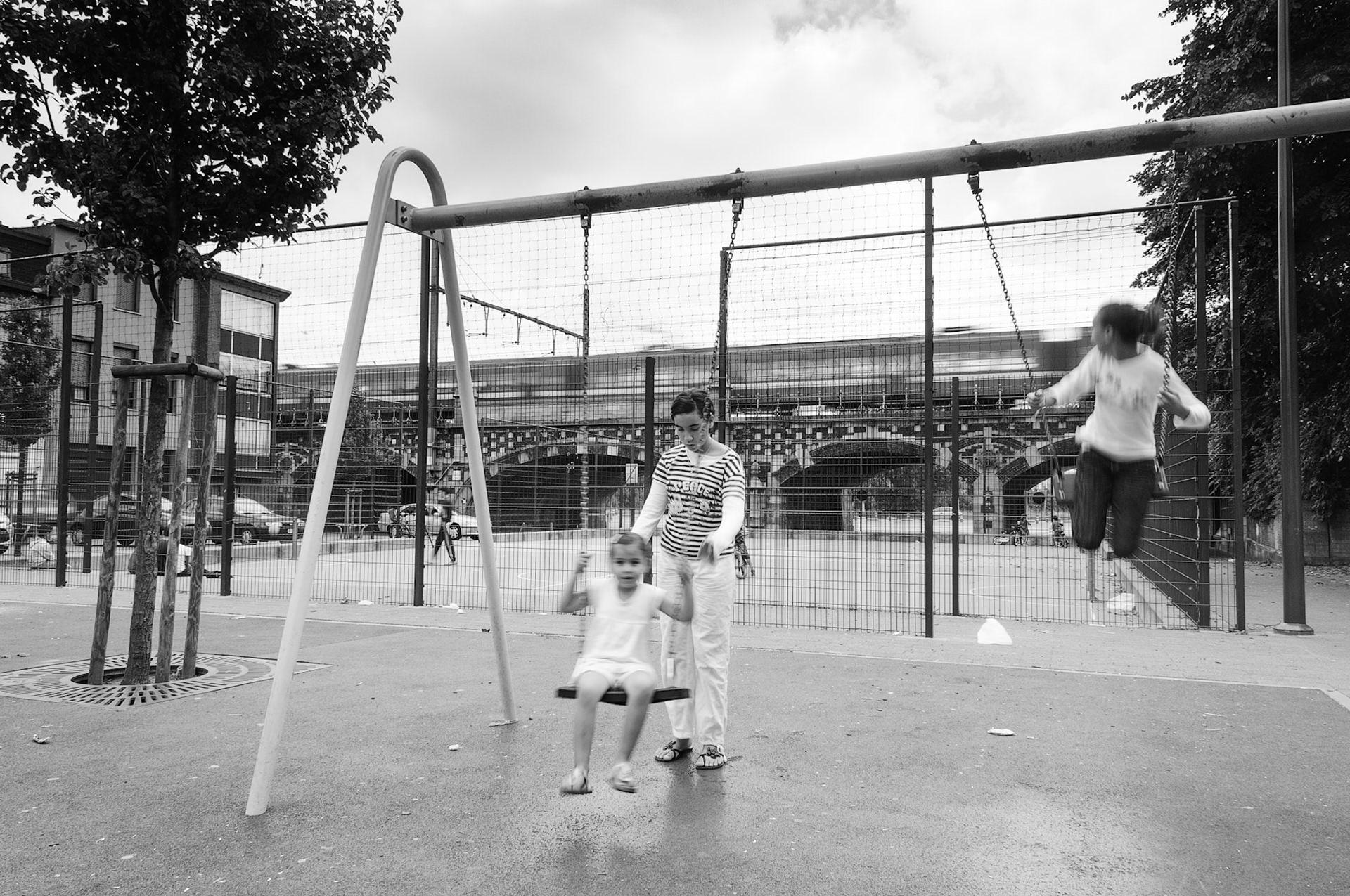
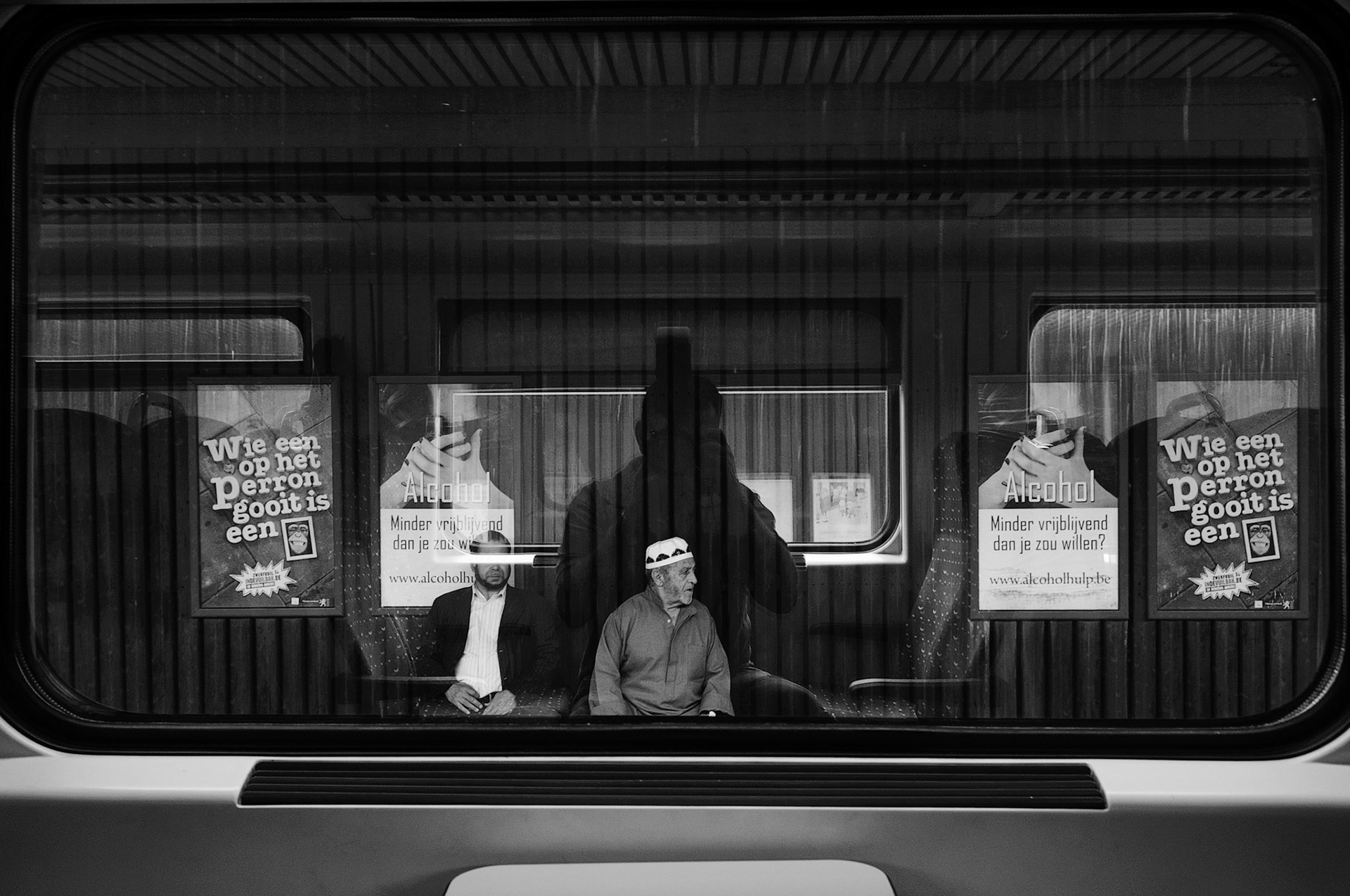
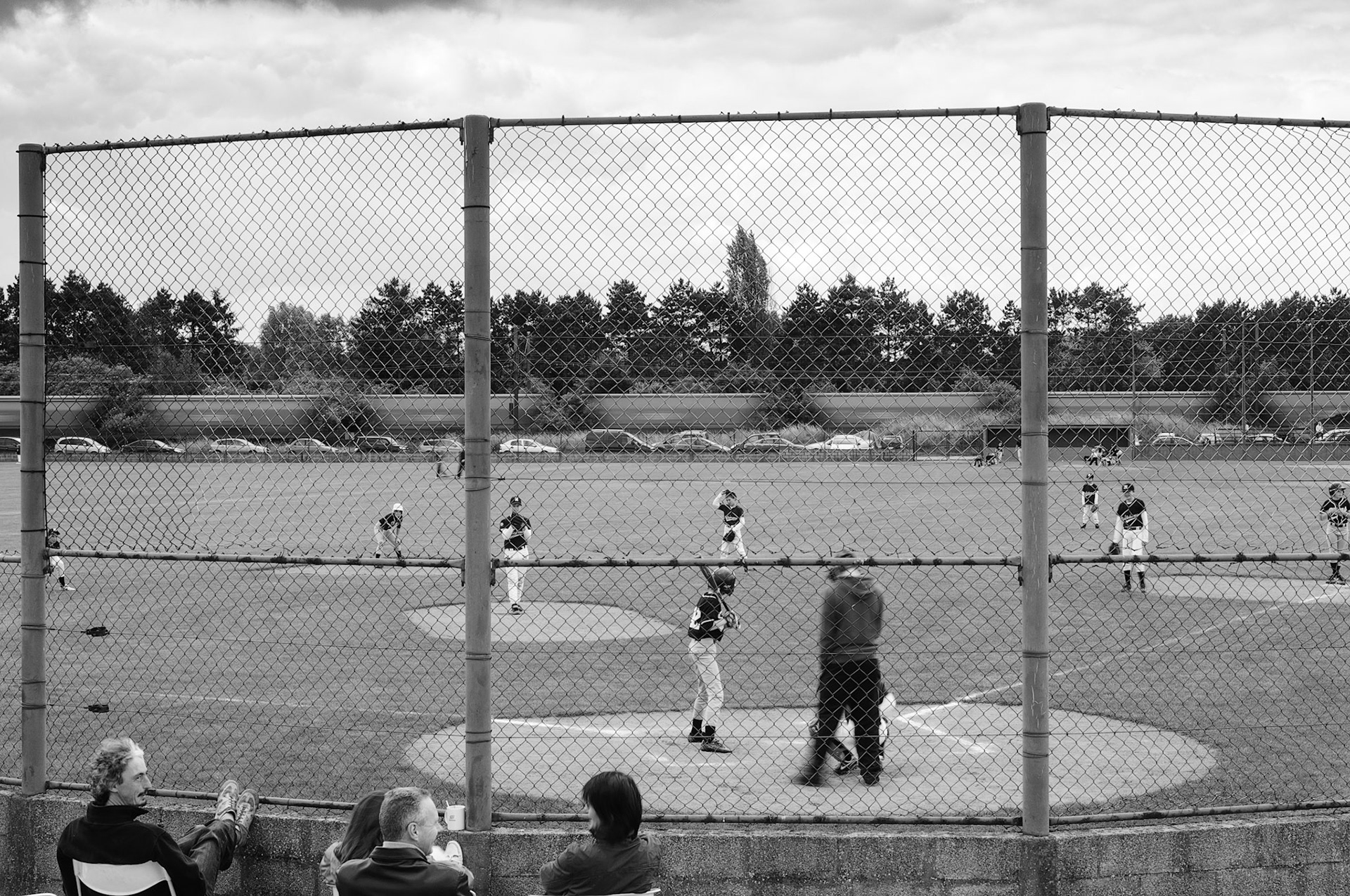
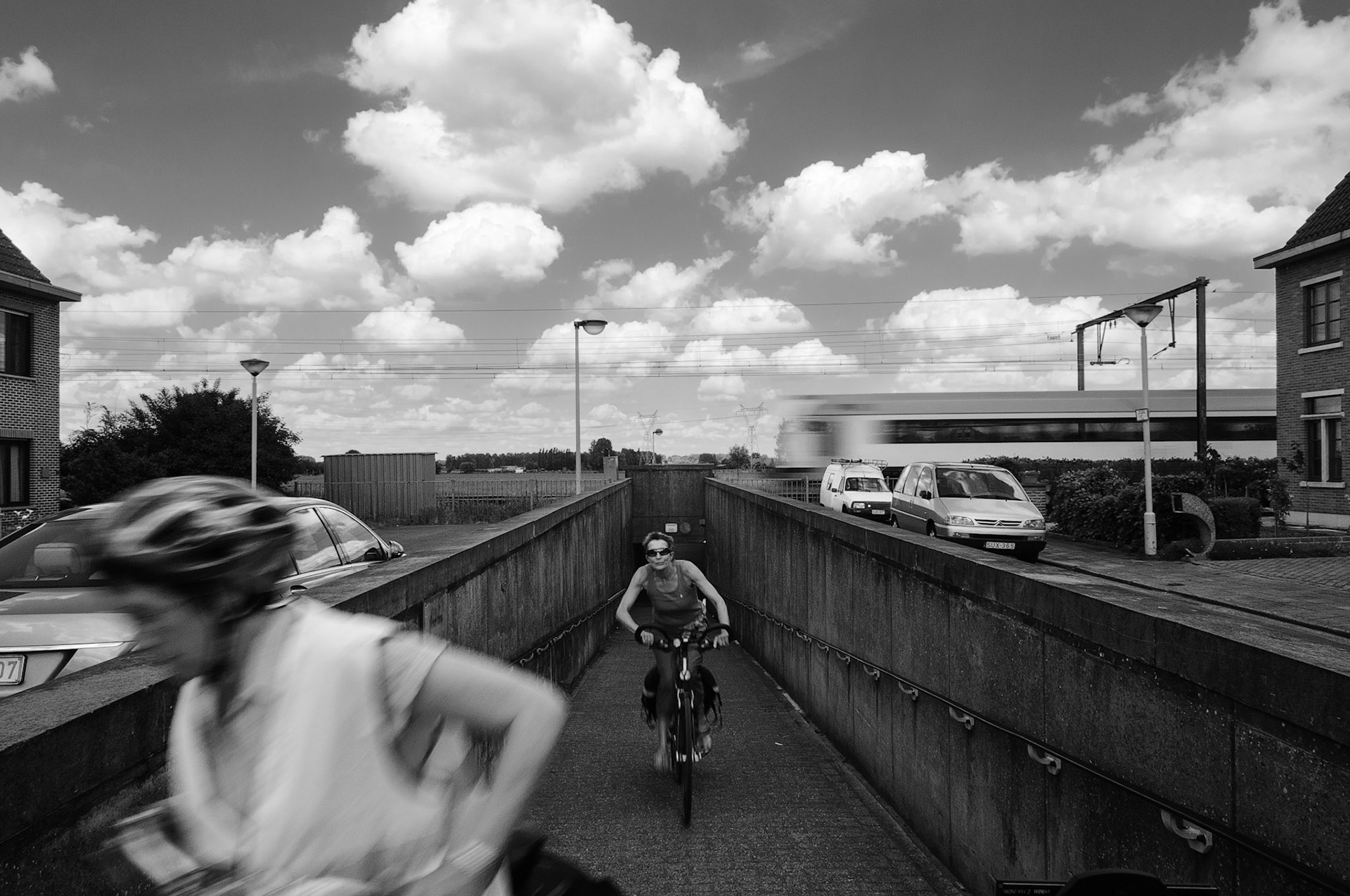
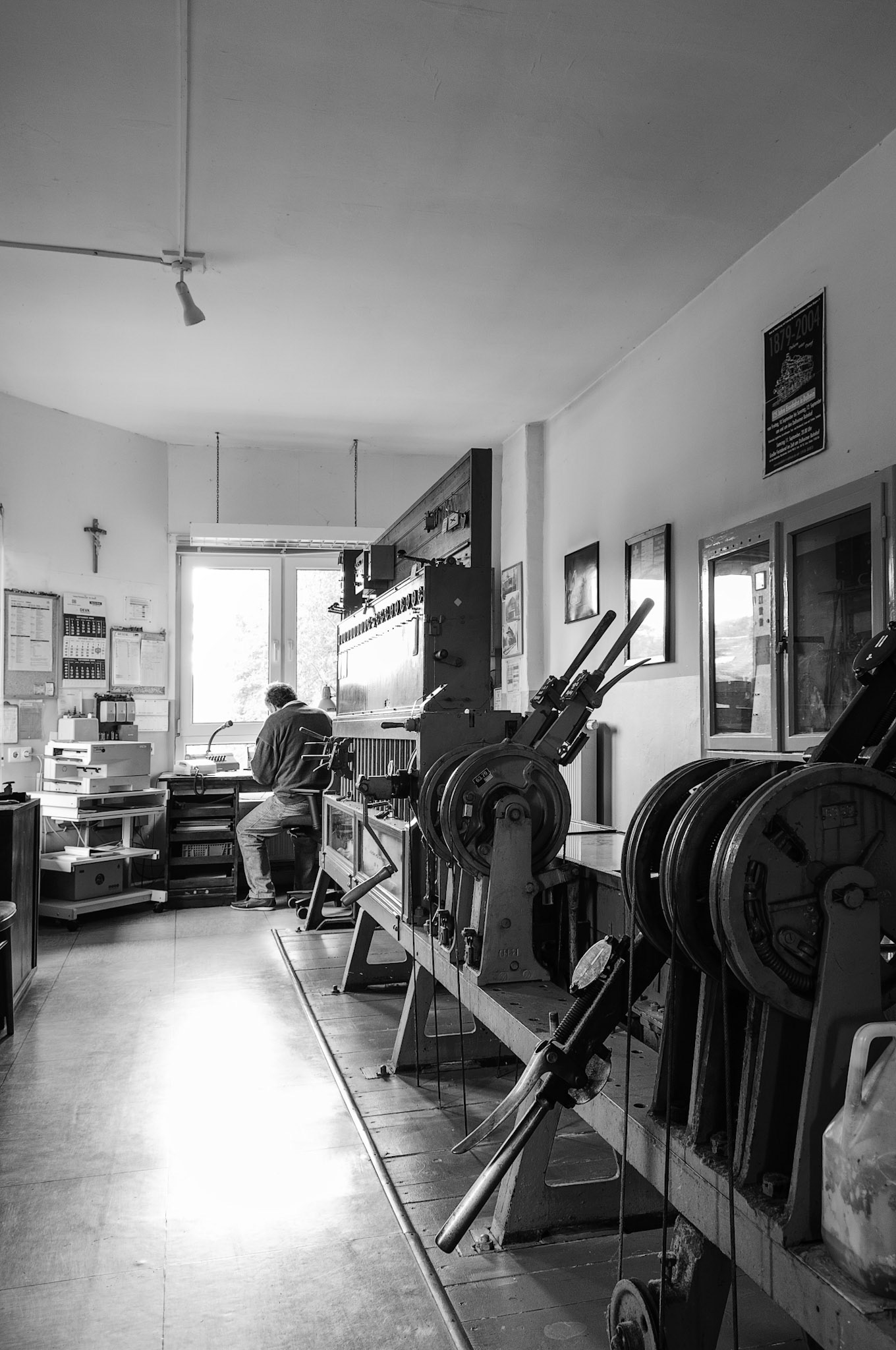
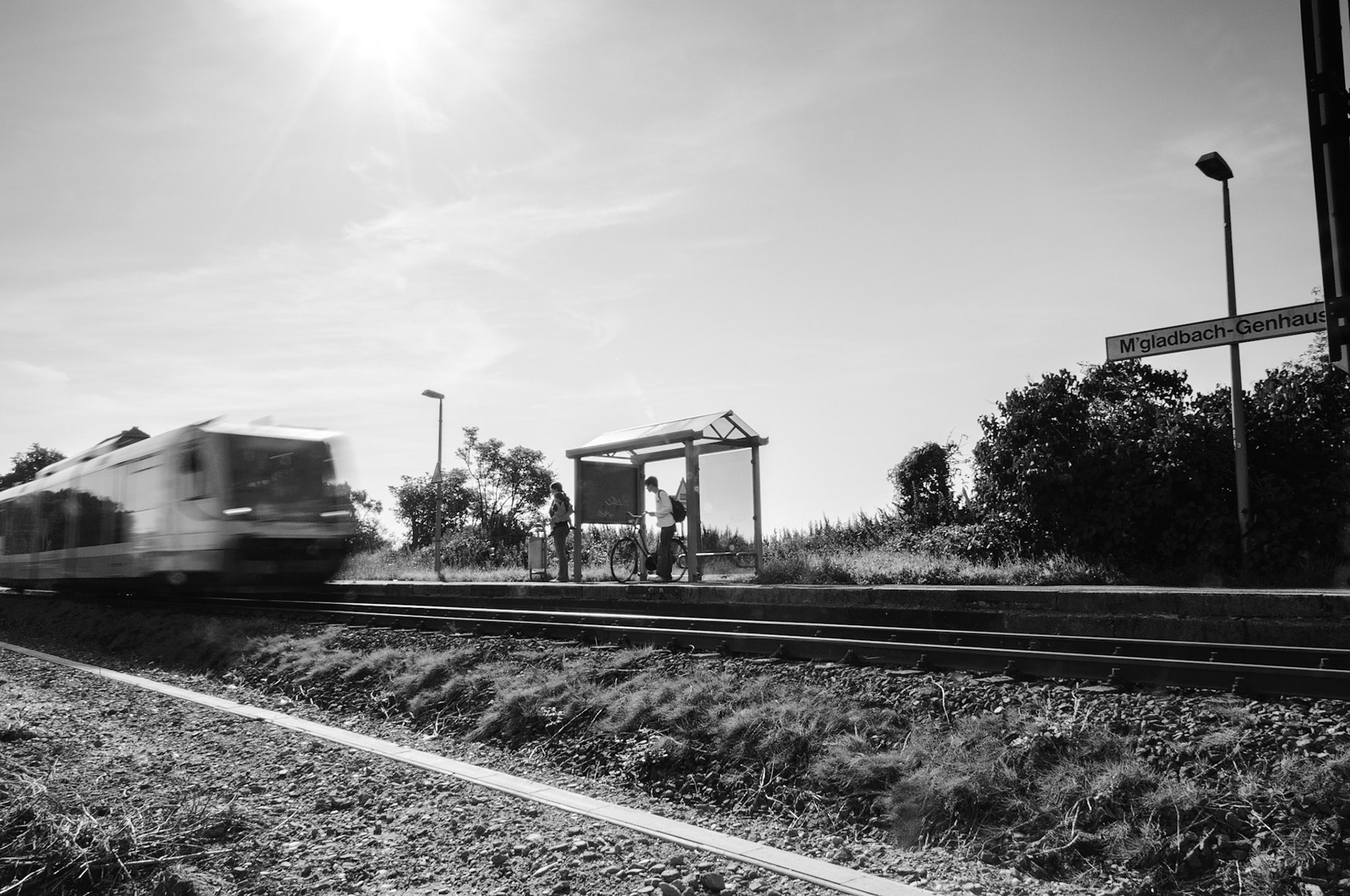
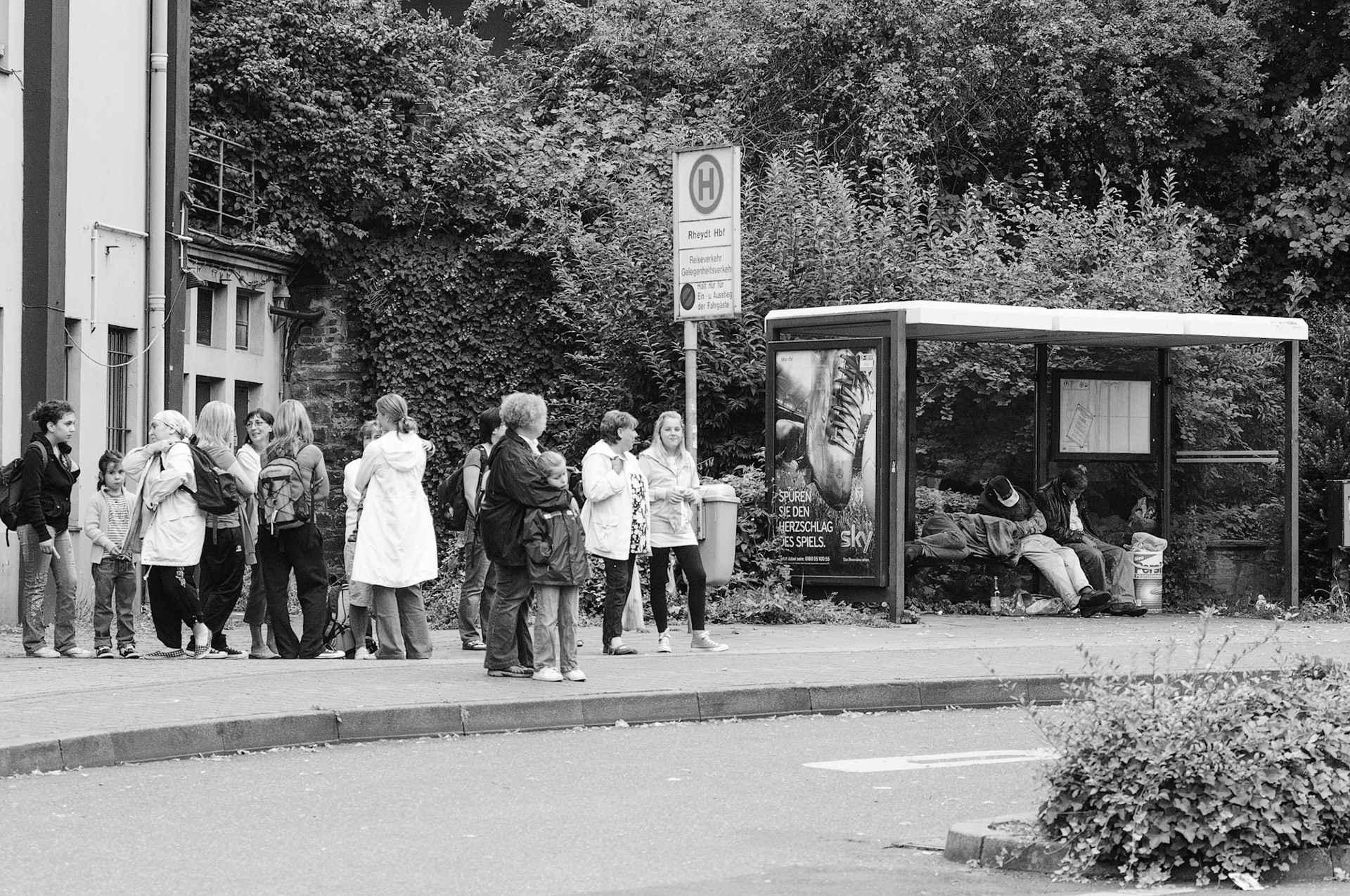
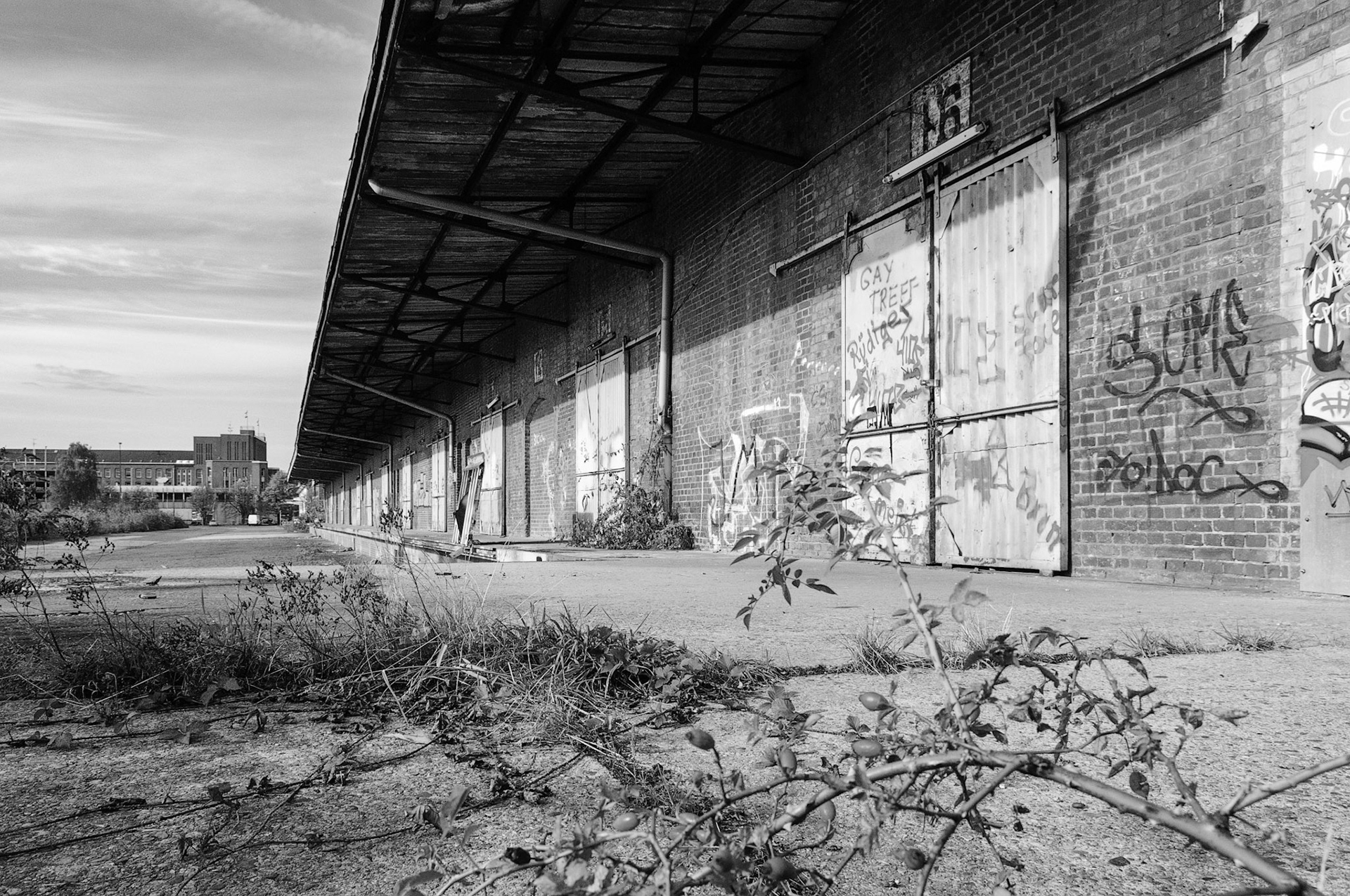
Nou kun je de IJzeren Rijn op vele manieren in beeld brengen. Ik heb gekozen me te richten op het leven/wonen aan deze spoorlijn. Om hier vorm aan te geven moet je vaak op pad, heb ik duizenden foto's gemaakt en heb ik vele kilometers gereden. Op sommige plaatsen ben ik wel 10x terug geweest, wachtend op dat ene juiste moment. En dan is er soms sprake van een toevalstreffer zoals het 50ste verjaardagsfeest op het stationneke van Olen (B).
Het resultaat van alle inspanningen heeft geleid tot een serie van 24 zwart/wit foto's. Deze is samen met de serie kleurenfoto's van collega Bert Gulikers, met wie ik al die tijd heb samengewerkt, geexposeerd geweest in het bezoekerscentrum van Nationaal Park "de Meinweg" te Herkenbosch. Financieel ondersteund door Staats Bosbeheer.
Voor het editen van de serie uit de vele duizenden foto's hebben we veel hulp en advies gekregen van fotograaf en zilveren camera winnaar John Lambrichts uit Maastricht. Met deze serie heb ik tevens mijn studie documentaire fotografie aan de Fotovakschool, succesvol af kunnen ronden.
The Project:
All images from this series are made between september 2008 and january 2010
The idea to document the Iron Rhine arose in part due to media coverage following Belgium’s demands that the railway be fully operational again by 2018. This fact sparked my interest in investigating what the Iron Rhine actually looks like today and how it relates to the human living environment.
Now, there are many ways to capture the Iron Rhine in images. I chose to focus on life and living along this railroad line. To bring this to life, you often have to get out and about; I took thousands of photos and drove many kilometers. In some places, I’ve returned as many as 10 times, waiting for just the right moment. And sometimes there’s a stroke of luck, like the 50th anniversary celebration at the little station in Olen (B).
The result of all these efforts is a series of 24 black-and-white photographs. This series, along with the series of color photographs by my colleague Bert Gulikers—with whom I’ve been collaborating all this time—was exhibited at the visitor center of “De Meinweg” National Park in Herkenbosch. The exhibition was financially supported by Staats Bosbeheer.
In editing the series from among the many thousands of photos, we received a great deal of help and advice from photographer and Silver Camera Award winner John Lambrichts of Maastricht. With this series, I was also able to successfully complete my studies in documentary photography at the Fotovakschool.
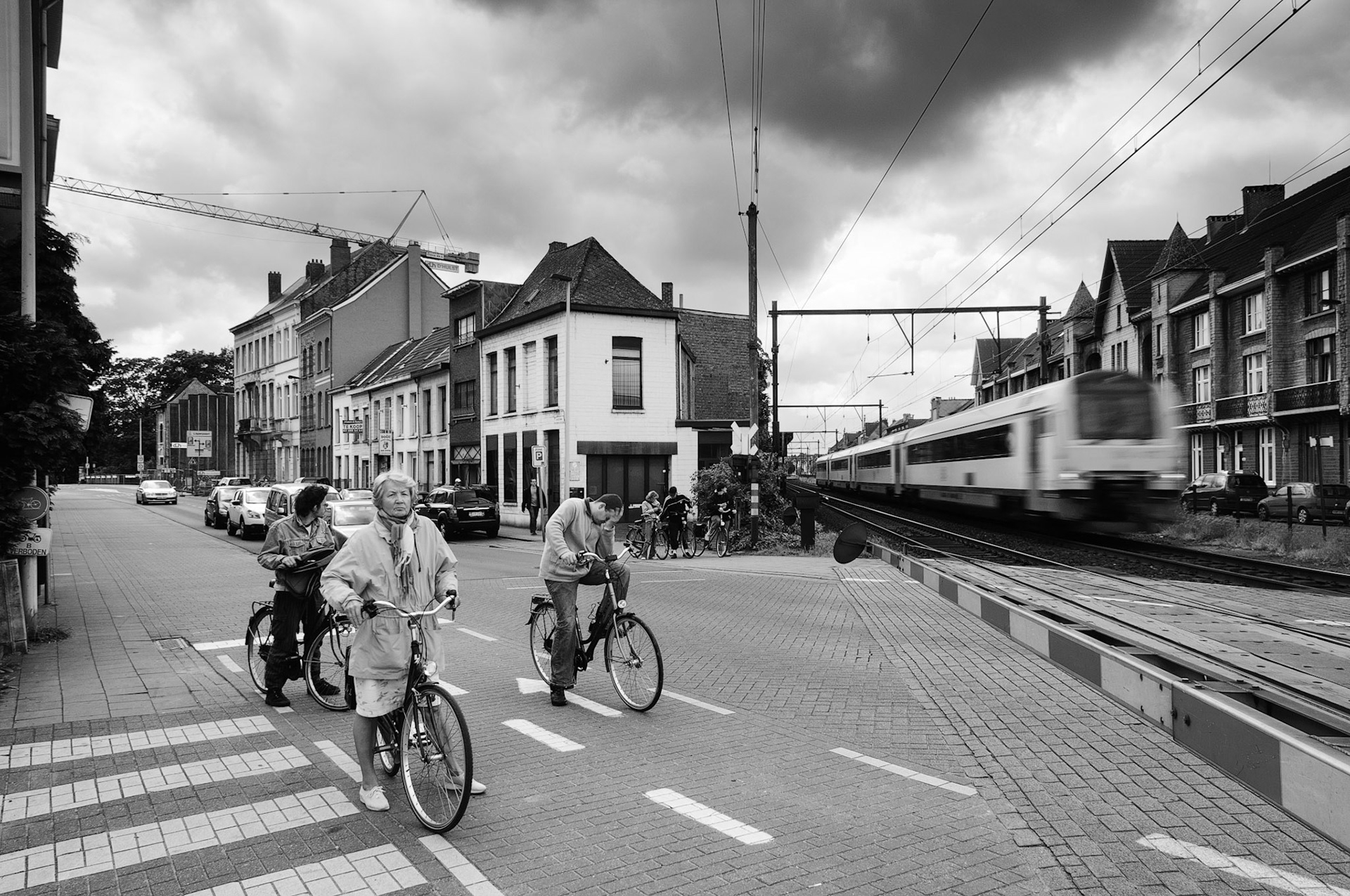
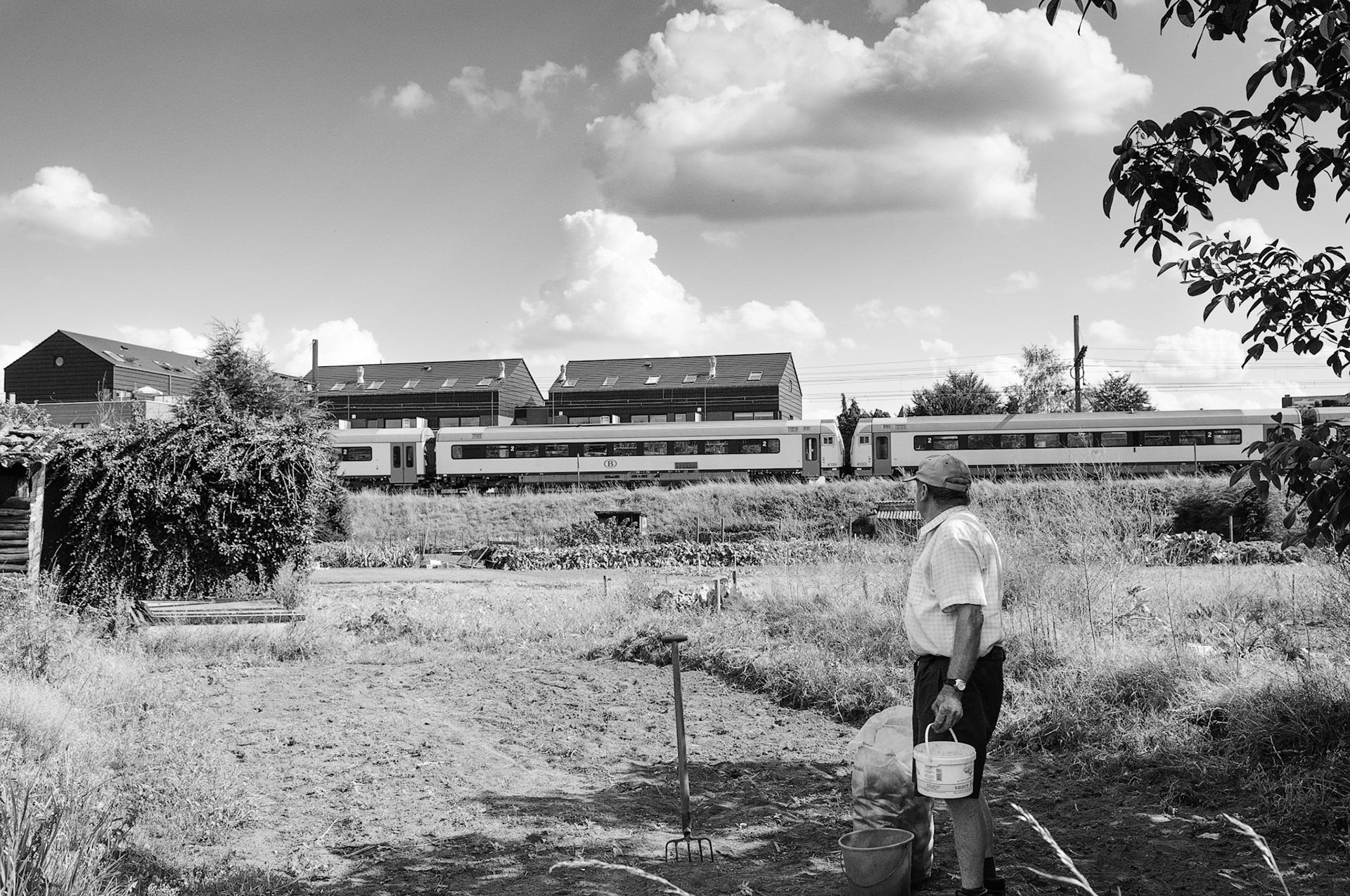
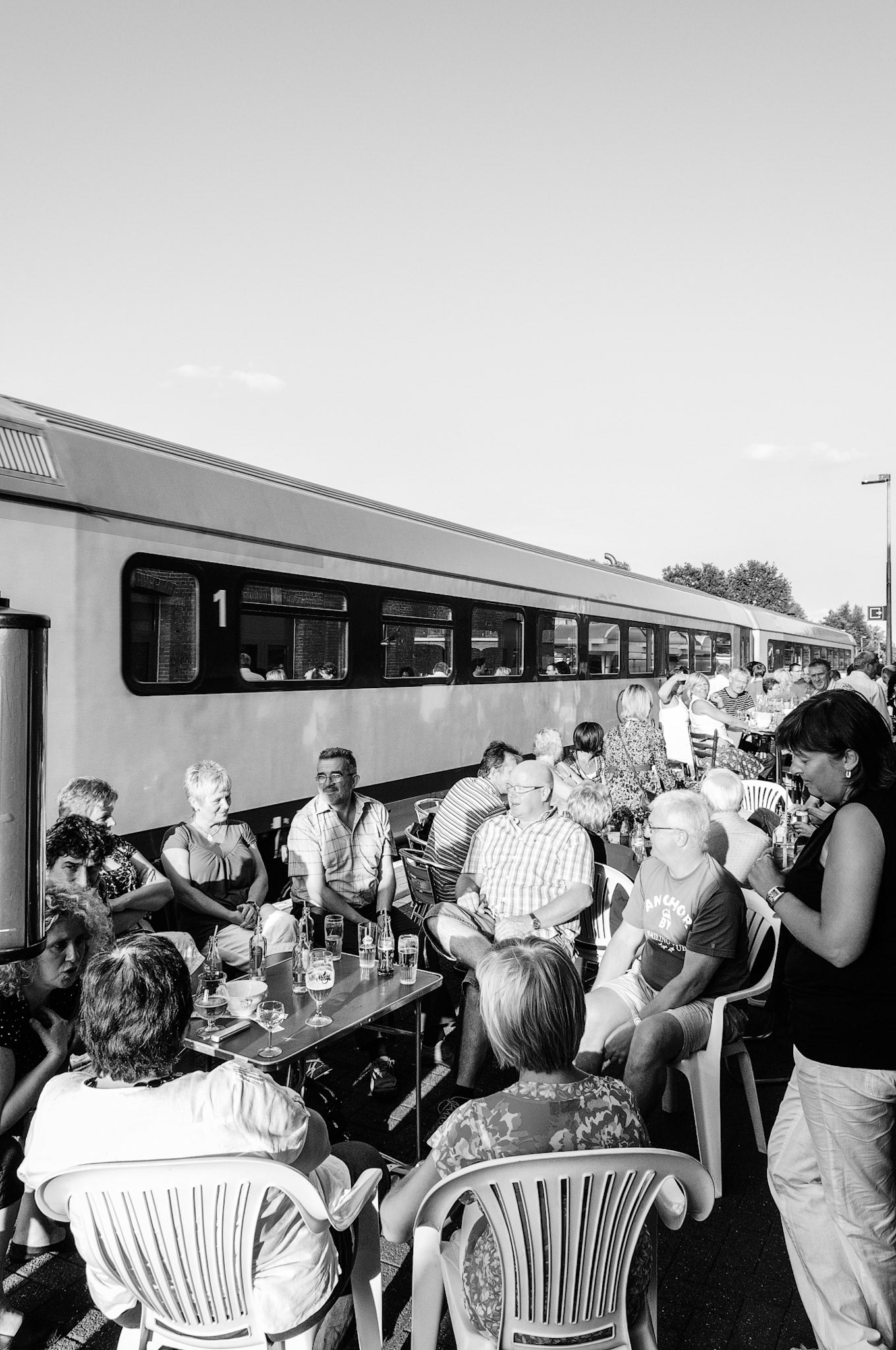
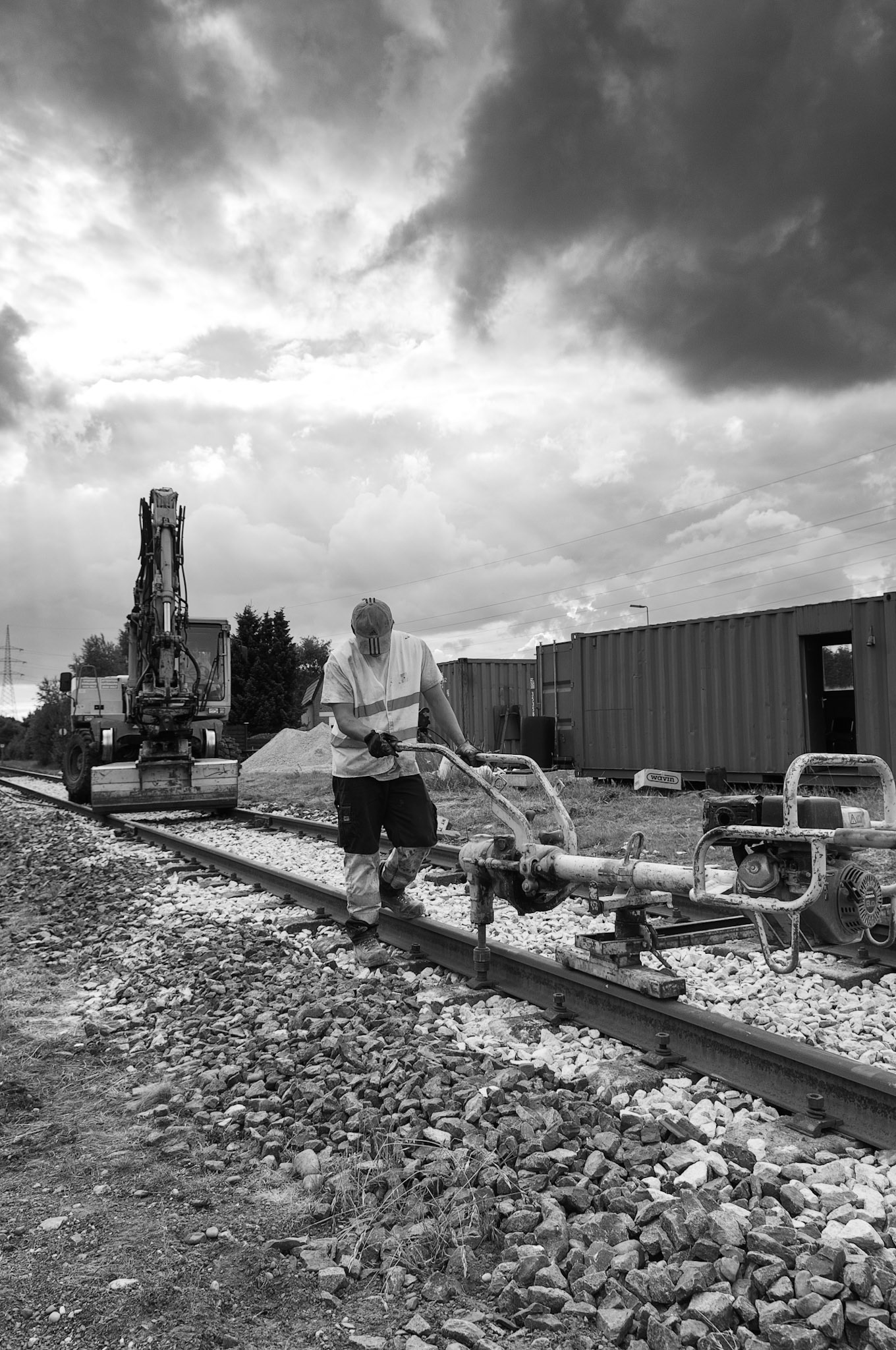
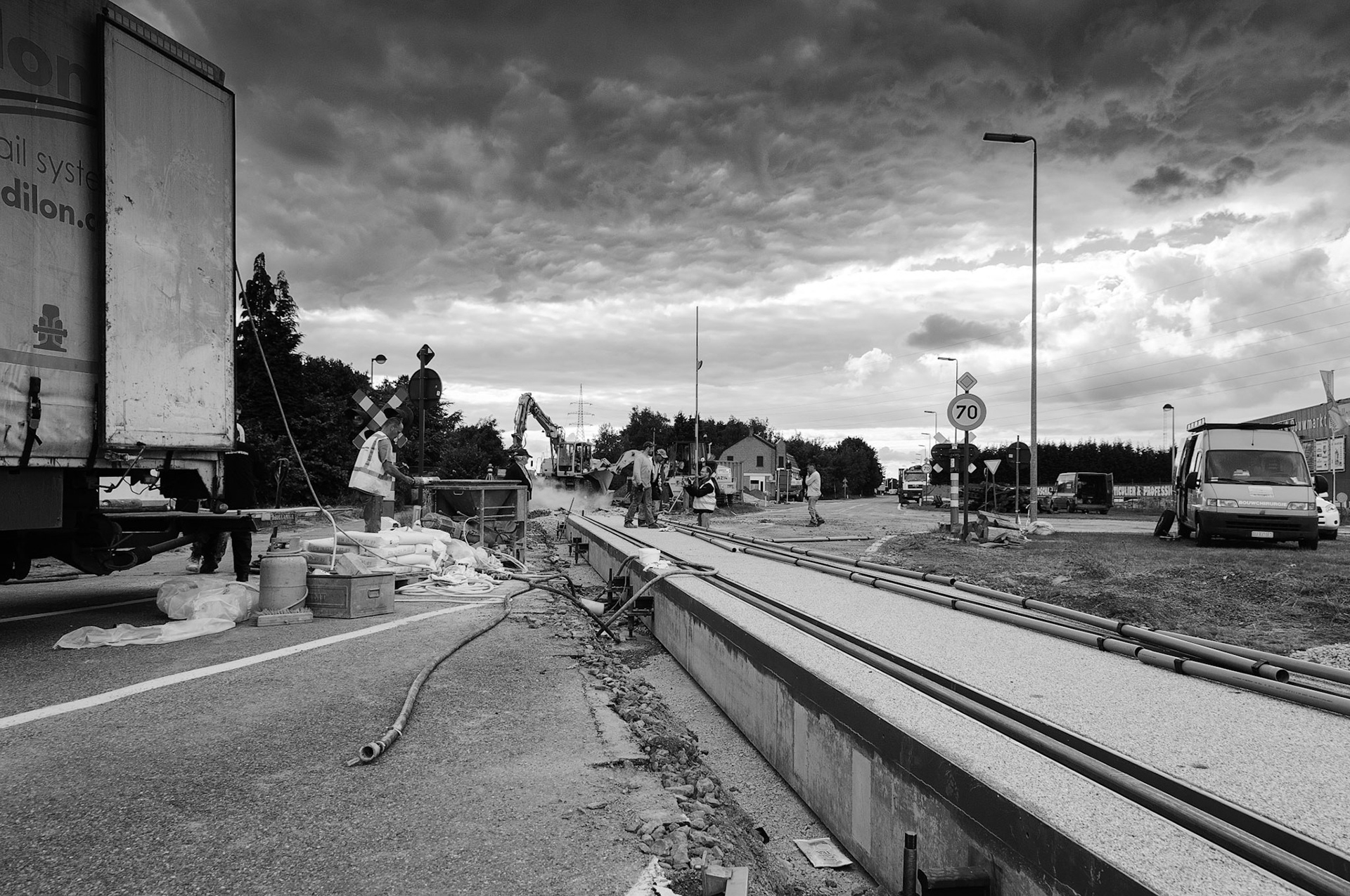
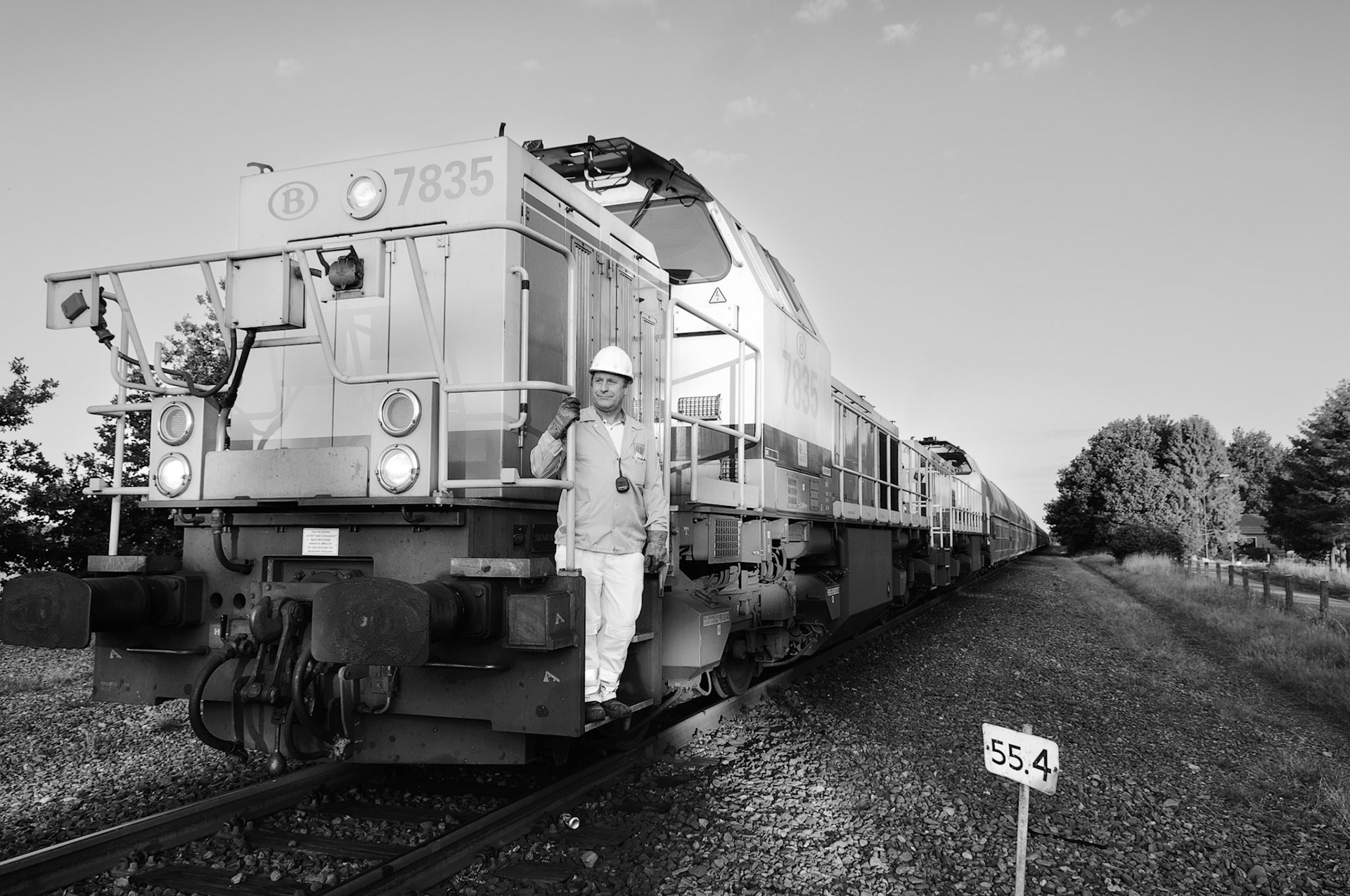
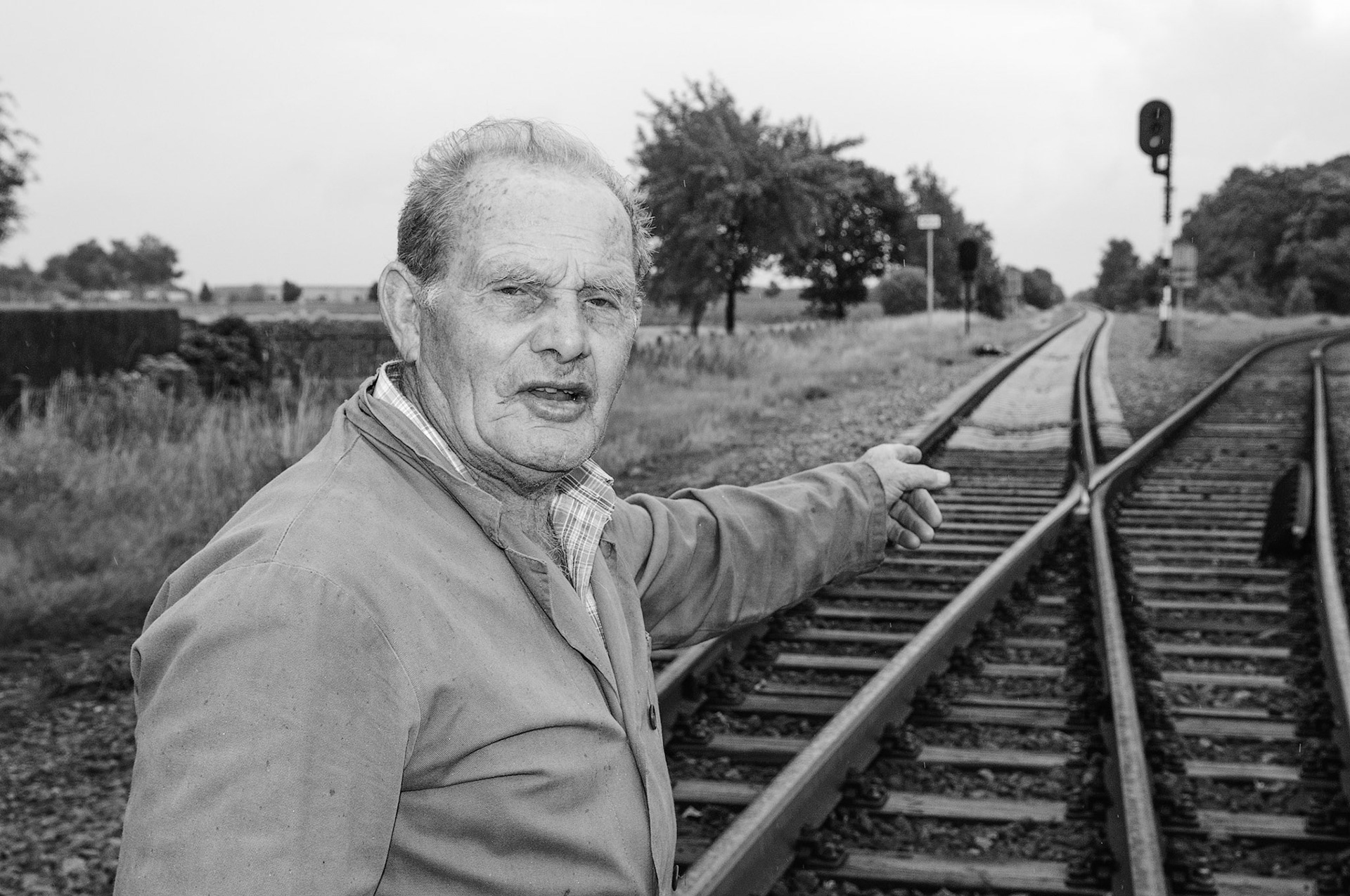
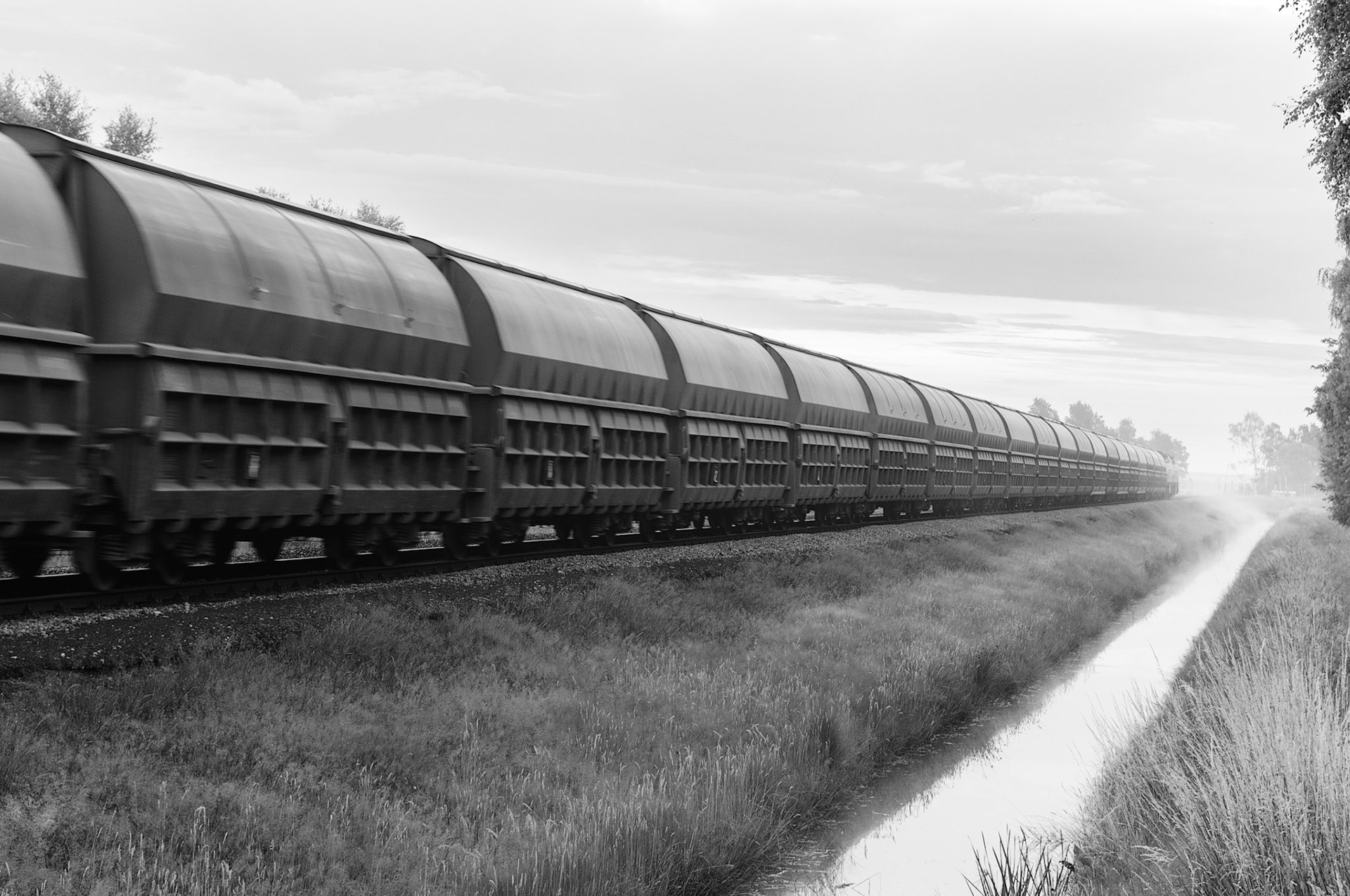
De IJzeren Rijn, wat er toen speelde.....
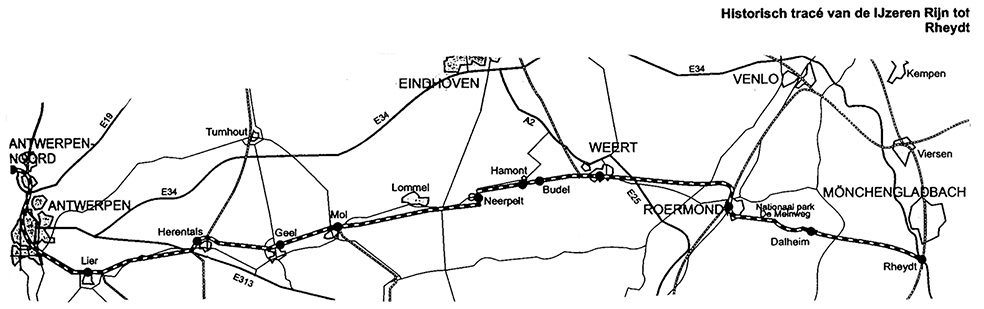
Dit is de spoorlijn van Antwerpen (B) naar Mönchengladbach (D) die dwars door Nationaal Park 'de Meinweg' loopt. Deze is voor een groot deel nog in gebruik.
-Vanuit Antwerpen rijden nog dagelijks goederentreinen via de Montzenroute (omweg) naar Duitsland. Dag en nacht, door de week en in het weekend.
-Ook rijden er nu dagelijks personentreinen tussen Antwerpen en Hamont-Achel
-Tussen België en Nederland is de IJzeren Rijn nog in gebruik door 1 goederentrein die eenmaal per dag (alleen op werkdagen) tussen Antwerpen haven en de zinkfabriek in Budel-Dorplein op en neer rijdt. Erts brengen en afvalstoffen ophalen.
-Tussen Weert en Roermond is de IJzeren Rijn onderdeel van het Nederlandse intercity netwerk.
-Van Nederland naar Duitsland, dus ook door de Meinweg, rijden sinds 1991 geen treinen meer.
-In Duitsland rijden er vanuit Dalheim dagelijks personentreinen naar Mönchengladbach en terug.
België wil de totale spoorweg, van Antwerpen naar het Ruhrgebied weer in gebruik nemen. Hierbij beroept men zich op het IJzeren Rijn verdrag uit 1873. In dit verdrag is, als onderdeel van de onafhankelijkheid, vastgelegd dat België recht heeft om op eigen kosten een weg of kanaal aan te leggen van Antwerpen, door Nederland, tot de Pruisische grens. Aanvankelijk was het de bedoeling een kanaal aan te leggen, later gaf men de voorkeur aan een spoorweg. Vandaar de naam 'IJzeren Rijn'. De bouw is in 1869 gestart en in 1879 is de spoorlijn in gebruik genomen.
Vroeger was de IJzeren Rijn een belangrijke Europese spoorlijn voor reizigersvervoer. De lijn was in zijn geheel dubbelsporig en telde vele stations, waaronder een bij het gehucht Vlodrop-Station in het natuurgebied 'de Meinweg'. De naam spreekt voor zich en het ligt tegen de grens met Duitsland. Sinds de tweede wereldoorlog is de lijn minder belangrijk geworden, dit ten gunste van de Montzenroute die onder Zuid-Limburg door loopt.
Belangrijkste bezwaar van Nederland om de IJzeren Rijn weer in gebruik te nemen is dat deze dwars door natuurgebied 'de Meinweg' loopt. In 2005 heeft het permanente Hof van Arbitrage in Den Haag bepaald dat België en Nederland samen bijdragen voor de kosten van een eventuele tunnel onder 'de Meinweg'. Nederland, dat ook een omleiding bij Roermond noodzakelijk acht, moet elke afwijking van het oorspronkelijke tracé zelf betalen. In 2008 hebben de verkeersministers van België, Nederland en Duitsland bepaald dat de IJzeren Rijn in 2018 weer compleet in gebruik moet worden genomen!
Anno 2026 komt de (personen)trein nog steeds niet verder dan Hamont-Achel aan de grens met Nederland. Enkel de ertstrein van de Zinkfabriek in Budel-Dorplein, gaat een stukje de grens over. De hoop is dat in de toekomst personenvervoer vanuit België tot in Weert mogelijk wordt. Aan de Belgen zal het niet liggen. Goederenvervoer over het oude tracé naar Duitsland zie ik niet gebeuren, gezien de huidige staat van het gedeelte voorbij Roermond tot aan de Duitse grens en de kosten die heropening met zich mee brengt.
The Iron Rhine: What Was Happening Back Then...
This is the railway line from Antwerp (B) to Mönchengladbach (D) that runs right through “De Meinweg” National Park. A large portion of it is still in use.
-Freight trains still run daily from Antwerp via the Montzen route (detour) to Germany. Day and night, on weekdays and weekends.
-Passenger trains also now run daily between Antwerp and Hamont-Achel.
-Between Belgium and the Netherlands, the Iron Rhine is still in use by one freight train that runs back and forth once a day (on weekdays only) between the Port of Antwerp and the zinc plant in Budel-Dorplein, delivering ore and picking up waste materials.
-Between Weert and Roermond, the Iron Rhine is part of the Dutch intercity network.
-No trains have run from the Netherlands to Germany—including via the Meinweg—since 1991.
-In Germany, passenger trains run daily from Dalheim to Mönchengladbach and back.
Belgium wants to put the entire railway line, from Antwerp to the Ruhr region, back into service. In doing so, it invokes the Iron Rhine Treaty of 1873. This treaty stipulates, as part of Belgium’s independence, that Belgium has the right to construct, at its own expense, a road or canal from Antwerp, through the Netherlands, to the Prussian border. Initially, the plan was to build a canal, but later a railroad was preferred. Hence the name “Iron Rhine.” Construction began in 1869, and the railroad line entered service in 1879.
In the past, the Iron Rhine was an important European railway line for passenger transport. The entire line was double-track and had many stations, including one near the hamlet of Vlodrop-Station in the “de Meinweg” nature reserve. The name speaks for itself, and it runs along the border with Germany. Since World War II, the line has become less important, in favor of the Montzen Route, which runs through South Limburg.
The Netherlands’ main objection to reopening the Iron Rhine is that it runs straight through the “De Meinweg” nature reserve. In 2005, the Permanent Court of Arbitration in The Hague ruled that Belgium and the Netherlands must jointly contribute to the costs of a potential tunnel under “De Meinweg.” The Netherlands, which also considers a detour near Roermond necessary, must pay for any deviation from the original route itself. In 2008, the transportation ministers of Belgium, the Netherlands, and Germany decided that the Iron Rhine must be fully operational again by 2018!
As of 2026, the (passenger) train still does not go beyond Hamont-Achel on the border with the Netherlands. Only the ore train from the zinc factory in Budel-Dorplein crosses the border a short distance. The hope is that, in the future, passenger service from Belgium all the way to Weert will become possible. It certainly won’t be for lack of effort on the Belgians’ part. I don’t see freight transport along the old route to Germany happening, given the current condition of the section beyond Roermond to the German border and the costs associated with reopening it.